
Understanding leukemia and the bigger picture
Definition
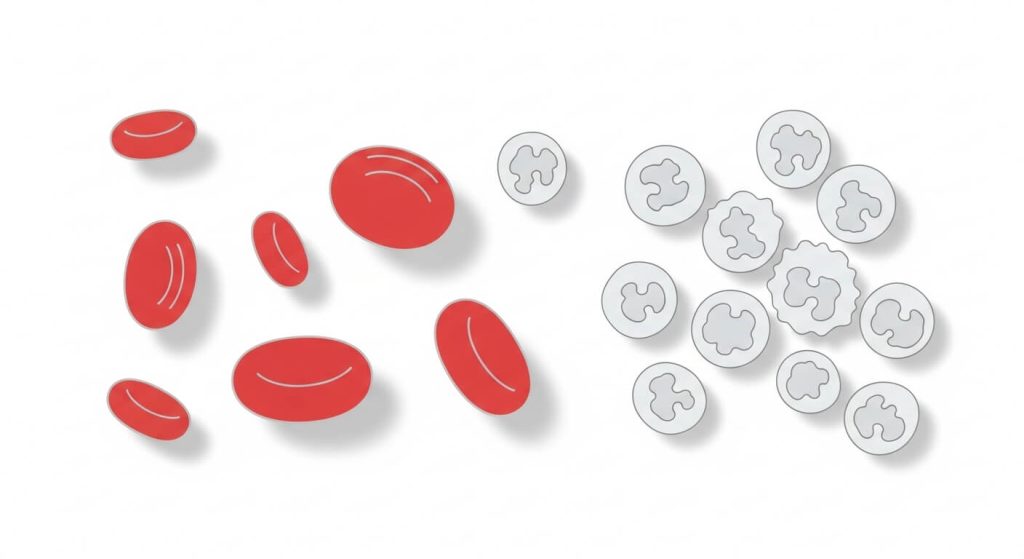
Leukemia is a cancer of the body’s blood-forming tissues, including the bone marrow and parts of the lymphatic system. In this condition, the bone marrow makes too many abnormal white blood cells that don’t work the way healthy infection-fighting cells should. Over time, these abnormal cells can crowd out healthy blood cells, which can affect immunity, energy levels, and bleeding control.
There are many kinds of leukemia. Some are more common in children, while others happen more often in adults. Treatment plans can be complex and depend on the specific type and how the disease behaves.
What causes leukemia and who is at higher risk
Causes
Experts don’t always know the exact cause. What’s understood is that leukemia begins when some blood cells develop DNA changes (mutations) that alter normal growth signals. Instead of growing in a controlled way and dying at the right time, abnormal cells keep multiplying, which leads to out-of-control blood cell production.
As these cells build up, they can reduce the number of healthy:
- White blood cells (infection defense)
- Red blood cells (oxygen/energy)
- Platelets (clotting)
Risk factors
Some factors are associated with a higher chance of developing certain types of leukemia:
- Prior cancer treatment with certain chemotherapy and/or radiation
- Genetic conditions (for example, some chromosomal disorders)
- Exposure to certain chemicals (commonly discussed: benzene in specific settings)
- Smoking (linked with higher risk for some types)
- Family history in some cases
Having risk factors does not mean you will develop leukemia, and many people diagnosed have no clear risk factor.
Symptoms and when to seek care
Symptoms
Symptoms can vary depending on the type and how quickly it progresses. Early symptoms may be vague and can resemble common illnesses.
Common symptoms may include:
- Fever or chills
- Persistent fatigue or weakness
- Frequent or severe infections
- Weight loss without trying
- Swollen lymph nodes
- Enlarged liver or spleen
- Easy bruising or bleeding
- Recurrent nosebleeds
- Tiny red spots on the skin (petechiae)
- Heavy sweating, especially at night
- Bone pain or tenderness
When to see a clinician
- Make an appointment if you have persistent symptoms that worry you, especially if they don’t improve or keep returning.
- Sometimes leukemia is discovered during blood tests done for another reason, so follow up if a clinician flags abnormal results.
How leukemia is diagnosed
Diagnosis
A clinician typically combines symptoms, exam findings, and lab testing to evaluate for leukemia and identify the exact type.
Common steps may include:
- Blood tests (CBC and related labs): to look at white cells, red cells, and platelets
- Peripheral blood smear: to examine how cells look under a microscope
- Bone marrow testing: often used to confirm the diagnosis and define the subtype
- Genetic/molecular tests: may help classify the disease and guide treatment planning
- Additional tests as needed: depending on symptoms and the suspected subtype
Because leukemia includes many subtypes, the “type” matters as much as the diagnosis itself.
Medications used in leukemia care
Medications
Medication choices depend on the subtype, how fast it’s progressing, and personal health factors. A licensed oncology team decides what is appropriate.
Common medication categories may include:
- Chemotherapy
- Targeted therapy (used in certain subtypes based on testing)
- Immunotherapy (used in selected cases)
- Steroids and supportive medicines (to manage symptoms and treatment side effects)
- Antibiotics/antivirals in some situations to reduce infection risk during treatment
If you’re planning for prescription affordability while staying safety-first, see the Certified Medical Tourism Professional guide for a structured framework.
Treatments, monitoring, and follow-up
Treatments
Treatment approaches can differ widely because leukemia ranges from fast-growing forms that need urgent therapy to slower-growing forms that may be monitored at first.
Common approaches may include:
- Active treatment right away for more aggressive or symptomatic disease
- Watchful waiting / close monitoring for some slower-growing types when symptoms are minimal
- Radiation therapy in specific situations
- Stem cell (bone marrow) transplant in selected cases
- Clinical trials when appropriate
- Supportive care (transfusions, infection prevention, symptom management)
If you’re researching pharmacy standards as part of planning (not as a substitute for medical care), start with Pharmacies in Tijuana (2025).
Quick FAQs people actually ask
FAQs
How is leukemia different from other cancers?
Leukemia starts in blood-forming tissues (often the bone marrow) and involves abnormal blood cells circulating in the bloodstream, rather than beginning as a single solid tumor in an organ.
Can leukemia have no symptoms at first?
Yes. Some types can be subtle early on, and in some cases the first clue is an abnormal blood test found during routine care or testing for another issue.
What are the main categories of leukemia?
Clinicians often describe it by speed (acute vs chronic) and by the cell line involved (lymphocytic vs myelogenous/myeloid). Those labels help narrow down the subtype and treatment approach.
Is it always treated immediately?
Not always. Some slower-growing forms may be monitored closely at first, while others need prompt treatment. The best plan depends on the type, symptoms, and test results.
What should I do if I’m worried I have symptoms?
Don’t self-diagnose—schedule an evaluation. Many symptoms overlap with infections or other non-cancer conditions, and only proper testing can confirm what’s going on.