Thrombocytopenia overview
Thrombocytopenia means a low platelet count. Platelets (also called thrombocytes) are small blood components that help your body stop bleeding by forming clots at sites of vessel injury.
Thrombocytopenia can be mild and found on routine bloodwork, or it can be more serious—especially if the platelet level drops enough to increase bleeding risk.
Educational note: This content is for general information only and does not replace medical care. If you have concerning symptoms, seek evaluation from a licensed clinician.
What is thrombocytopenia?
Definition
In most labs, a typical adult platelet count is roughly 150,000–450,000 per microliter (µL) of blood. A count below the lower limit is generally considered thrombocytopenia.
Low platelets can happen when the body doesn’t make enough, destroys/uses up too many, or holds onto platelets in the spleen so fewer circulate in the bloodstream.
Causes
Doctors often group causes into a few practical buckets:
Platelets are “trapped” (not circulating)
- An enlarged spleen can hold onto more platelets than normal, leaving fewer in circulation.
Not enough platelets are made
Platelets are produced in bone marrow. Production can drop due to:
- Bone marrow disorders
- Cancer treatments like chemotherapy/radiation
- Heavy alcohol use
- Nutrient deficiencies (commonly discussed: iron, folate, vitamin B12)
- Other causes depending on the individual situation
Platelets are destroyed or used up too fast
This can happen from:
- Medications
- Immune-related conditions (such as immune thrombocytopenia)
- Certain infections
Low platelets with clotting risk (important nuance)
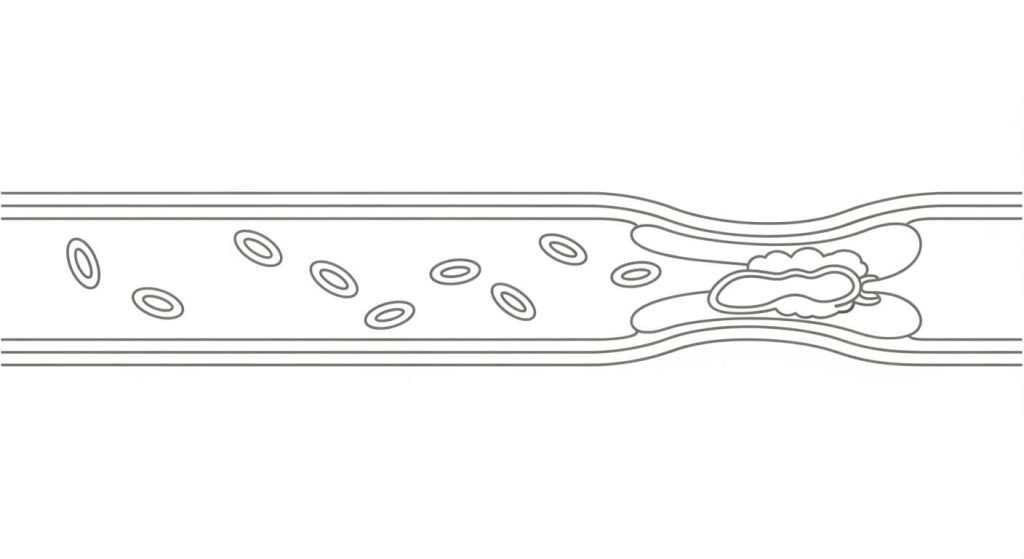
In some syndromes, platelets are low because they’re being activated and consumed in clot formation, which can raise clot risk even while the count is low. A well-known example is heparin-induced thrombocytopenia (HIT). Rarely, immune-driven clotting conditions like thrombosis with thrombocytopenia syndrome (TTS/VITT) have also been described.
Symptoms
Many people have no symptoms at first. When symptoms appear, they’re usually related to bleeding.
Common signs include:
- Easy bruising (purpura)
- Tiny pinpoint spots on the skin (petechiae), often on legs
- Bleeding that lasts longer than expected from small cuts
- Nosebleeds or gum bleeding
- Blood in urine or stool
- Heavier-than-usual menstrual bleeding
When to see a doctor
Make an appointment if you notice unexplained bruising, petechiae, frequent nosebleeds, or bleeding that seems unusual for you.
Get urgent help if bleeding won’t stop, or if you have symptoms that could suggest serious internal bleeding (for example after a head injury).
Diagnosis
How thrombocytopenia is diagnosed
Doctors typically confirm and evaluate low platelets using:
- A complete blood count (CBC) to measure platelet levels
- Repeat testing when needed to confirm the result and track trends
- Review of medications, recent infections, and medical history that can affect platelets
- Additional bloodwork when appropriate to look for contributing conditions
- Further testing may be recommended depending on the suspected cause and overall picture
Medications
Medication decisions depend on why the platelet count is low and how severe it is. In some cases, the plan may involve adjusting or stopping a triggering medication, and in other cases clinicians may use medicines that modify immune activity or support platelet recovery when appropriate for the underlying diagnosis.
Only a licensed clinician can determine the safest option based on your labs, symptoms, and medical history.
Treatments
Treatments depend on the underlying cause and how low the platelet count is. Some cases are monitored, while others require targeted treatment.
In more serious situations, clinicians may treat the underlying condition causing the low platelet count. In some cases, treatment includes a transfusion of donor platelets.
Practical note for planning and prescriptions
If you’re managing an ongoing condition and already have prescriptions and lab monitoring in place, planning care safely matters—especially if you’re exploring cross-border options for affordability. For a safety-first framework, see our Certified Medical Tourism Professional guide and our overview of Pharmacies in Tijuana (2025).
FAQs
What platelet count is considered “low”?
In many labs, counts below the lower end of the typical range (often around 150,000 per µL) are considered low. Your clinician will interpret the result based on your lab’s reference range and your overall situation.
Can thrombocytopenia have no symptoms?
Yes. Many people have no symptoms at first, especially when the platelet count is only mildly reduced.
What symptoms should make me seek urgent care?
Bleeding that won’t stop is an emergency. Urgent evaluation is also important if symptoms suggest serious internal bleeding (for example after a head injury), or if you have severe new symptoms.
Can low platelets ever be linked to clotting risk?
Yes. In some conditions, platelets are low because they’re being activated and consumed in clot formation, which can increase clot risk even with a low platelet count.
How is thrombocytopenia treated?
Treatment depends on the cause and severity. Some cases are monitored, while others require treating the underlying condition, adjusting medications, or—in some situations—using therapies like platelet transfusion.