
Thyroid cancer is a cancer that begins in the thyroid gland—a small, butterfly-shaped gland at the base of the neck that helps regulate key body functions through hormone production. Many cases grow slowly and are highly treatable, especially when found early.
In some people, this condition causes few or no symptoms at first. When symptoms do show up, they often relate to a growing lump in the neck or pressure on nearby structures.
Educational note: This page is for general information only and does not replace medical advice. If you’re experiencing new or worsening symptoms, contact a licensed clinician.
Thyroid cancer overview
Definition
What is thyroid cancer?
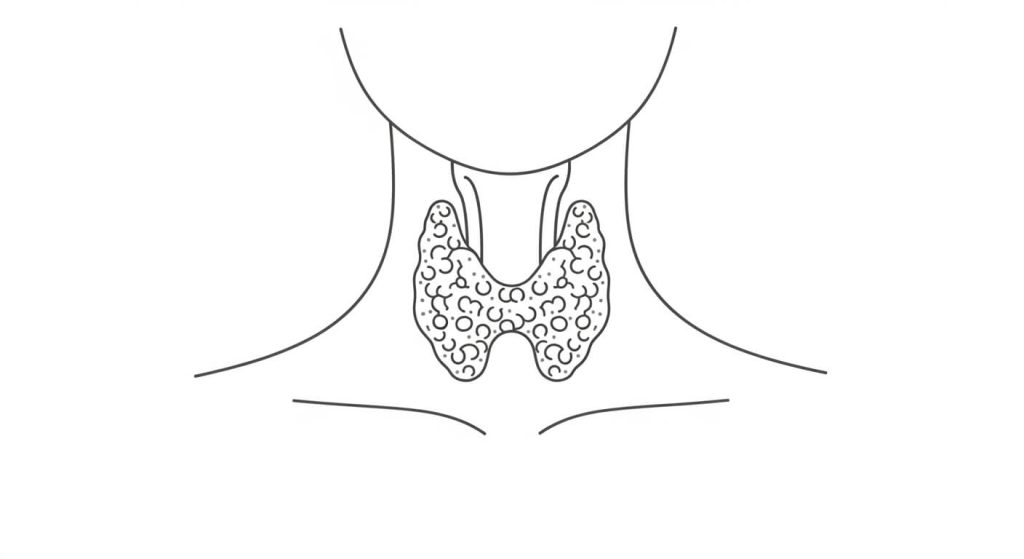
Thyroid cancer starts when thyroid cells develop DNA changes that make them grow out of control and form a tumor in the thyroid gland. It may not cause symptoms early on, but as it grows it can lead to a neck lump, voice changes, or trouble swallowing. Many cases—especially differentiated forms—respond well to treatment.
Diagnoses have increased in many countries over the past decades, and research suggests a major driver is improved detection (ultrasound, CT, MRI) identifying small, low-risk findings that might not have been discovered before.
Types of thyroid cancer
Doctors classify this disease based on the kind of thyroid cell involved. The main categories include:
- Differentiated thyroid cancers
These are the most common overall and usually have a very good prognosis.- Papillary thyroid cancer (most common)
- Follicular thyroid cancer
- Oncocytic (Hürthle cell) carcinoma is often grouped within differentiated types by patient resources.
- Medullary thyroid cancer (MTC)
A rarer type that begins in C cells and can be linked to inherited gene changes (RET), including MEN2. - Anaplastic thyroid cancer
Rare but fast-growing and more difficult to treat than differentiated forms.
Thyroid cancer causes and risk factors
Causes
This cancer develops when thyroid cells acquire DNA changes (mutations) that disrupt normal growth control. Over time, abnormal cells can form a tumor, invade nearby tissue, and in some cases spread to lymph nodes or distant organs.
Risk factors
Factors associated with higher risk include:
- Sex: more commonly diagnosed in people assigned female at birth
- Radiation exposure, especially to the head/neck (risk is higher with younger age at exposure)
- Inherited syndromes or gene mutations, including RET-related hereditary MTC/MEN2, Cowden syndrome (PTEN), and familial adenomatous polyposis (APC)
- Family history of thyroid malignancy (particularly relevant for medullary and sometimes papillary cases)
Thyroid cancer symptoms and warning signs
Symptoms
Many people notice no symptoms early on. As the tumor grows, possible signs include:
- A lump or swelling in the front of the neck
- Neck swelling or pressure
- Hoarseness or persistent voice changes
- Trouble swallowing or breathing
- A persistent cough not caused by a cold
- Swollen lymph nodes in the neck
- Pain in the front of the neck (sometimes radiating toward the ears)
When to see a doctor
Schedule a medical evaluation if you have a new neck lump, voice changes that don’t improve, difficulty swallowing/breathing, or neck swelling that’s getting worse—especially if symptoms persist or progress.
Suggested image placement: Place your in-content image right after this Symptoms section (before the Diagnosis section).
How thyroid cancer is diagnosed
Diagnosis
Healthcare professionals typically combine a few steps to evaluate a thyroid nodule and confirm whether it’s thyroid cancer:
- Medical history + neck exam to check for a thyroid lump and enlarged lymph nodes.
- Neck ultrasound to assess thyroid nodules and look for suspicious features and lymph node changes.
- Fine-needle aspiration (FNA) biopsy (often ultrasound-guided) to collect cells from a nodule for lab evaluation.
- Lab testing may include thyroid function tests, and for specific scenarios, other targeted markers may be considered based on clinical context.
- Imaging (as needed) such as CT or MRI when clinicians need more detail about anatomy or possible spread.
Common medications used for thyroid cancer care
Medications
Medication choices depend on the thyroid cancer type and the treatment plan. Examples may include:
- Thyroid hormone replacement after thyroid surgery (often needed to replace normal hormone function).
- Targeted therapies or other systemic medicines in selected cases, particularly for advanced or treatment-resistant disease.
Thyroid cancer treatment options
Treatments
Treatment depends on cancer type, size, whether it has spread, and overall health. Common options can include:
- Surgery (such as removing part or all of the thyroid)
- Radioactive iodine in selected cases (most often for certain differentiated cancers)
- Radiation therapy in specific scenarios
- Systemic therapy (targeted therapy or other medicines) for advanced disease or certain aggressive subtypes
Prevention (what’s realistic)
For most people at average risk, there’s no proven way to prevent thyroid cancer because the exact cause of most cases isn’t known.
For people with high-risk inherited mutations (for example, certain RET mutations linked to MEN2), risk-reducing thyroid surgery may be recommended in specific cases and timing decisions are made with specialist guidance.
In a radiation emergency involving radioactive iodine, public health authorities may recommend potassium iodide (KI) to help block radioactive iodine uptake by the thyroid (KI does not protect against all radiation types).
Practical note for prescription access and planning
If you’ve already been evaluated by a licensed clinician and have an active prescription (for example, thyroid hormone replacement that can be needed after treatment), some patients explore cost-saving options with structured, safety-first travel planning. For a safe framework, see our Certified Medical Tourism Professional guide, and if you’re researching pharmacy standards in the border region, start here: Pharmacies in Tijuana (2025).
FAQs people ask about thyroid cancer
FAQs
How do I know if a neck lump could be thyroid cancer?
Many neck lumps are not cancer, but a new or growing lump—especially with hoarseness, trouble swallowing, or enlarged neck lymph nodes—should be evaluated by a clinician.
What tests are usually done first?
A neck exam and ultrasound are common first steps. If a nodule looks concerning, clinicians often recommend an ultrasound-guided needle biopsy (FNA).
Can thyroid cancer have no symptoms?
Yes. Many cases are found before symptoms appear, sometimes during imaging done for other reasons.
Is thyroid cancer usually treatable?
Many thyroid cancers—especially differentiated types found early—respond very well to treatment. Outcomes vary by subtype and stage.
What should I do next if I’ve been told I have a thyroid nodule?
Don’t self-diagnose. Book a medical evaluation, ask whether ultrasound and/or biopsy is appropriate, and request a clear follow-up plan based on your results.
References
Pharmacies in Tijuana Mexico 2025 (ProviderX)