Stroke overview
Acute Ischemic Stroke happens when blood flow to part of the brain is blocked or significantly reduced. Without oxygen and nutrients, brain cells can begin to die within minutes.
Another major category is hemorrhagic stroke, caused by bleeding in or around the brain after a vessel leaks or ruptures.
A stroke is a medical emergency. Getting emergency help quickly can reduce brain injury and improve the chance of recovery.
Definition
What is an Acute Ischemic Stroke?
An Acute Ischemic Stroke is a sudden loss of blood supply to a brain region because an artery becomes blocked—most often by a clot or debris that restricts circulation. Because treatment is time-sensitive, clinicians focus on the exact time symptoms started (or “last known well”) to determine which therapies may help.
Causes
Ischemic stroke
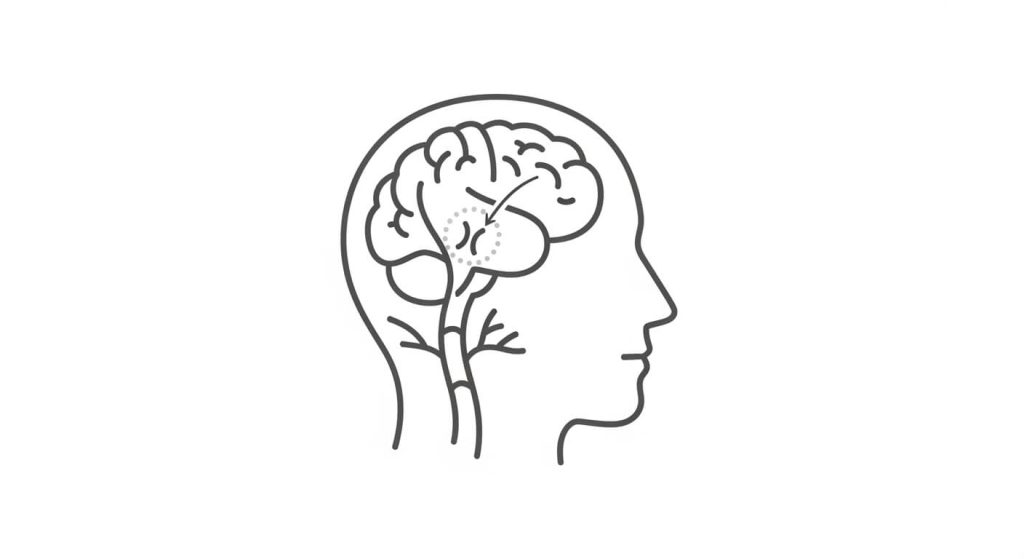
Acute Ischemic Stroke occurs when an artery supplying the brain becomes narrowed or blocked—often due to a clot forming locally (thrombotic) or traveling from elsewhere (embolic), sometimes from the heart.
Hemorrhagic stroke (different stroke type)
Bleeding occurs when a blood vessel leaks or ruptures. Risk factors often include uncontrolled high blood pressure and certain vessel abnormalities, among others.
Transient ischemic attack (TIA)
A TIA is a temporary blockage of blood flow to the brain that causes stroke-like symptoms but does not create lasting brain injury. A TIA is a warning sign and still needs emergency evaluation.
Risk factors
Risk factors for Acute Ischemic Stroke include:
- High blood pressure
- Smoking
- High cholesterol
- Diabetes
- Obesity and physical inactivity
- Certain heart conditions (for example, atrial fibrillation)
- Older age
- Personal or family history of stroke/TIA
Symptoms
Symptoms of Acute Ischemic Stroke can start suddenly. If you think you or someone else is having a stroke, note the time symptoms began—some treatments work best when given early.
Common stroke symptoms include:
- Trouble speaking or understanding speech
- Facial drooping, arm weakness, or numbness—often on one side
- Vision problems in one or both eyes
- Sudden severe headache (more typical in hemorrhagic stroke, but any “worst headache” needs emergency care)
- Trouble walking, dizziness, loss of balance or coordination
When to see a doctor
Call 911 immediately if you notice symptoms of Acute Ischemic Stroke—even if they come and go or seem to improve. Every minute matters.
Use F.A.S.T.:
- F — Face: Ask the person to smile. Does one side droop?
- A — Arms: Ask them to raise both arms. Does one drift down?
- S — Speech: Ask them to repeat a simple phrase. Is speech slurred or unusual?
- T — Time: Call 911 right away and note when symptoms started.
External reference: CDC stroke warning signs (FAST)
Diagnosis
How Acute Ischemic Stroke is diagnosed
Because Acute Ischemic Stroke is time-sensitive, diagnosis focuses on confirming stroke, ruling out bleeding, and identifying whether a blocked vessel is present.
Common steps may include:
- A rapid symptom check and neurological exam
- Documenting when symptoms started (or the last time the person was known to be well)
- Brain imaging (often an urgent CT scan; MRI may be used in some cases)
- Imaging of brain/neck blood vessels when needed (to look for a blockage)
- Blood tests (for example, glucose and clotting-related labs)
- Heart evaluation when appropriate (ECG and sometimes additional testing)
Medications
Medication decisions depend on timing, stroke type, imaging findings, and medical history. Only a licensed medical team can determine what is appropriate.
Common medication categories clinicians may use include:
- Clot-targeting medicines in eligible patients (time-window dependent)
- Antiplatelet therapy (to reduce clot formation risk in many ischemic stroke/TIA situations)
- Anticoagulation in select cases (for example, certain heart-rhythm–related stroke risks), based on clinician judgment
- Cholesterol-lowering therapy and blood pressure management, when appropriate, to reduce future risk
- Diabetes management when needed as part of risk reduction
Treatments
Emergency treatment (time-dependent)
Care for Acute Ischemic Stroke is highly time-dependent. In eligible patients, IV clot-busting medication may be used within a defined window, and mechanical thrombectomy (catheter-based clot removal) may be recommended in selected patients based on imaging and other criteria.
Hospital care and recovery
Treatment plans may also include:
- Monitoring and supportive care to protect breathing, blood pressure, and blood sugar
- Managing complications and preventing another stroke
- Rehabilitation (physical, occupational, and speech therapy), which can be essential for recovery
Complications
Effects depend on which brain area is affected and how quickly blood flow is restored. Complications may include:
- Weakness or paralysis (often one-sided)
- Trouble speaking, understanding, or swallowing
- Memory and thinking changes
- Emotional changes (including depression)
- Ongoing pain, numbness, or sensory changes
- Needing help with daily activities
Prevention
Many prevention strategies overlap with heart health: controlling blood pressure, quitting tobacco, managing cholesterol/diabetes, staying active, and maintaining a healthy weight.
If someone has had a TIA or Acute Ischemic Stroke, clinicians may recommend medications (such as antiplatelet therapy or anticoagulation in select cases) depending on the underlying cause—this should always be individualized by a licensed medical team.
Practical note for planning and prescriptions
If you’re managing ongoing care and already have prescriptions and follow-ups in place, safety-first planning matters—especially if you’re exploring affordability options. See our Certified Medical Tourism Professional guide and our overview of Pharmacies in Tijuana (2025) for a structured approach.
FAQs
What should I do first if I suspect an Acute Ischemic Stroke?
Call 911 immediately. Note the time symptoms started (or the last known well time). Do not drive yourself unless emergency services are unavailable.
Can symptoms improve and still be serious?
Yes. Symptoms that come and go may indicate a TIA or a stroke in progress. Emergency evaluation is still needed.
How do clinicians tell ischemic stroke vs hemorrhagic stroke?
Brain imaging is used to check for bleeding and help guide treatment decisions quickly.
Why does “time last known well” matter so much?
Some treatments for Acute Ischemic Stroke are only recommended within specific time windows, so accurate timing can affect which options are available.
What if it was a TIA instead of a stroke?
A TIA is still an emergency warning sign. It increases future stroke risk and requires urgent medical evaluation and follow-up planning.