


Educational note: This guide is for education only and does not replace care from a licensed clinician. If you have severe shortness of breath, chest pain, fainting, black/tarry stools, or heavy bleeding, seek urgent care. This overview explains Anemia in plain language and what to do next.
Definition
Understanding Anemia: what it means and why it matters
Anemia is a condition where your blood can’t carry oxygen as efficiently as it should—most often because hemoglobin is low, red blood cell levels are low, or both. When oxygen delivery drops, your body may feel “run down,” especially during activity or illness.
How hemoglobin and red blood cells relate
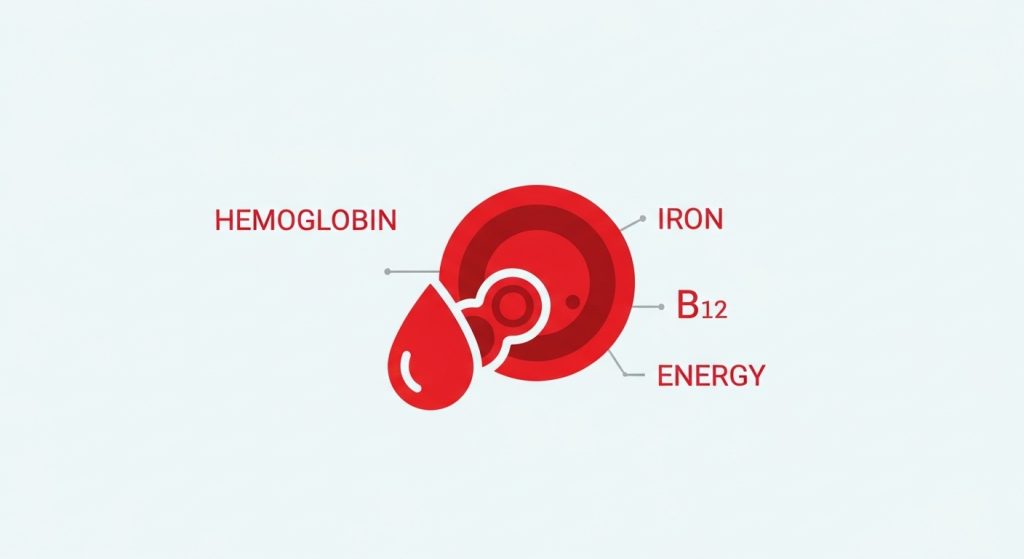
Hemoglobin is the iron-rich protein inside red blood cells that transports oxygen. When either hemoglobin or the number of red blood cells falls below what your body needs, symptoms can appear. In many cases, Anemia develops gradually, so early signs may be easy to dismiss.
Common types you may hear about
- Iron-related low hemoglobin (often from low iron intake or blood loss)
- Vitamin-related low hemoglobin (often linked to low B12 or folate)
- Inflammation-related low blood counts (seen with chronic conditions)
- Bone marrow–related low blood counts (less common, needs specialist care)
Causes
Why oxygen-carrying capacity drops: common causes and risk factors
There isn’t one single cause. Anemia can happen when your body makes fewer red blood cells, loses blood, or breaks down red blood cells faster than it can replace them. More than one factor can contribute at the same time.
Common reasons behind Anemia
- Blood loss: heavy periods, ulcers, hemorrhoids, surgery, or internal bleeding
- Low iron stores: diet low in iron, poor absorption, or increased needs (pregnancy)
- Vitamin B12 or folate issues: low intake, absorption problems, certain medications
- Chronic inflammation: kidney disease, autoimmune conditions, infections, some cancers
- Inherited conditions: certain hemoglobin disorders (varies by family history)
Risk factors that raise suspicion
- Ongoing fatigue plus diet restrictions (low iron/B12 intake)
- History of heavy menstrual bleeding
- Frequent use of anti-inflammatory pain medicines with stomach irritation
- Recent pregnancy, childbirth, or major surgery
- Digestive conditions that affect absorption
Symptoms
Symptoms to watch for and when to seek urgent help
Some people have mild symptoms; others notice problems quickly. Signs often depend on how low hemoglobin is and how fast levels dropped.
Common symptoms people report with Anemia
- Tiredness that doesn’t match your sleep
- Shortness of breath with routine activity
- Dizziness or feeling lightheaded
- Headaches or trouble concentrating
- Pale skin (may look different across skin tones)
- Cold hands/feet or reduced exercise tolerance
Red flags that need same-day evaluation
- Chest pain, fainting, or new confusion
- Rapid heartbeat at rest
- Black/tarry stools or vomiting blood
- Heavy bleeding that won’t stop
- Severe shortness of breath
Diagnosis
How clinicians confirm the cause and severity
A diagnosis usually starts with a simple blood test and then follows a step-by-step search for the reason your levels are low. This approach helps confirm Anemia and pinpoint the most treatable cause.
Tests used to confirm Anemia
- Complete blood count (CBC): checks hemoglobin, hematocrit, and red blood cell size
- Iron studies: ferritin, iron, transferrin saturation (to assess iron stores)
- B12/folate levels: especially with large red blood cells or neurologic symptoms
- Reticulocyte count: shows whether the bone marrow is responding appropriately
- Additional tests when needed: stool testing for hidden blood, inflammation markers, kidney function, or targeted studies based on history
What “mild” vs “severe” can mean
Clinicians interpret results in context: your age, pregnancy status, symptoms, and how quickly values changed. The same number can feel very different in two people.
Medications
Medicines and supplements that may be used (and when)
Medication depends on the underlying cause. For many people, correcting low iron or vitamin deficiencies resolves the problem, but some situations need prescription therapy.
Common options used in Anemia care
- Oral iron supplements: often first-line when iron stores are low
- Vitamin B12 or folate replacement: oral or injections depending on absorption
- Treatments for underlying conditions: managing inflammation or kidney disease can improve blood counts
- Prescription therapies in select cases: medicines that support red blood cell production may be considered under specialist care
If you’re comparing cost or availability of therapies, see Brand vs. generic medications: what to know for a simple breakdown.
Treatments
Beyond pills: lifestyle, procedures, and long-term monitoring
A complete plan addresses both symptoms and the root cause—so levels stay stable over time.
What treatment can look like
- Correcting nutritional deficiencies with diet plus supplements
- Treating bleeding sources (for example, GI evaluation if blood loss is suspected)
- Adjusting medications that may contribute to stomach bleeding (only with clinician guidance)
- Managing chronic conditions (kidney disease, autoimmune conditions) to reduce inflammation
- Monitoring labs to confirm recovery and prevent recurrence
Living well with Anemia: practical steps
- Pair iron-rich foods with vitamin C sources (helps absorption)
- Avoid taking iron with calcium supplements or large amounts of tea/coffee (can reduce absorption)
- Track symptoms (energy, shortness of breath, palpitations) alongside lab follow-up
- Ask about screening if you have recurring low levels or a strong family history
If medication access is part of your plan, this guide on Pharmacies in Tijuana Mexico (2025 guide) can help you understand what to verify before buying any prescription abroad.
FAQs
Quick answers to common Anemia questions
Can Anemia go away on its own?
Sometimes mild cases improve if the trigger resolves (for example, a short-term illness). But persistent symptoms should be evaluated so the cause isn’t missed.
How long does it take to feel better after starting iron?
Some people notice improved energy in a couple of weeks, but rebuilding iron stores can take longer. Follow-up labs help confirm recovery.
Is low hemoglobin always caused by iron deficiency?
No. Low hemoglobin can also be linked to low B12/folate, chronic inflammation, kidney issues, or bone marrow problems—so testing matters.
When should I worry about internal bleeding?
If you have black stools, blood in stool, vomiting blood, fainting, or rapid worsening fatigue, seek urgent care.
References
Trusted sources used for this overview
Information was developed from widely used clinical references and the U.S. National Library of Medicine’s patient resource on MedlinePlus: Anemia. This article discusses Anemia in general terms; diagnosis and treatment choices should be individualized with a clinician.