


Educational note: This content is for education only and does not replace medical advice. If swelling involves the tongue/throat or breathing becomes difficult, seek emergency care immediately.
Definition
What angioedema is and why swelling happens under the skin
angioedema is swelling that develops in deeper layers under the skin or mucous membranes. It often shows up around the eyes, lips, cheeks, and sometimes the hands, feet, or genitals. It can also affect the throat or the lining of the gut.
How it’s different from “puffy” skin
This is not typical fluid retention from heat, salt, or hormones. The swelling is usually sudden, more localized, and may feel tight, warm, or mildly painful rather than “soft.”
Two main pathways doctors think about
Clinicians often group swelling episodes into two broad patterns:
- Histamine-related: often linked to allergies or hives (urticaria)
- Bradykinin-related: often linked to certain medications (like ACE inhibitors) or hereditary conditions

Causes
Common triggers that can lead to angioedema episodes
Sometimes the exact trigger is never found, but these are common categories.
Allergy-related triggers (often with hives)
- Foods (for some people: nuts, shellfish, eggs, milk, etc.)
- Medications (examples: antibiotics, NSAIDs like ibuprofen/naproxen)
- Insect stings/bites
- Latex or other contact exposures
Medication-related (may occur without hives)
- ACE inhibitors (a blood pressure medication class) can cause swelling of the lips, face, or airway in some people—even after long-term use.
Infections, stress, and physical factors
- Viral or bacterial infections
- Major emotional stress, sleep deprivation
- Pressure, friction, heat, or cold exposure (in susceptible people)
Hereditary and acquired forms
Some people have recurrent swelling due to issues in the complement/bradykinin system (for example, hereditary angioedema). These episodes often happen without hives and may involve abdominal pain.
Symptoms
Signs of angioedema and when swelling becomes urgent
Symptoms vary depending on the location and the pathway causing the swelling.
Typical skin and facial symptoms
- Sudden swelling of lips, eyelids, cheeks, or face
- Tightness, pressure, or mild pain
- Warmth over the area
- Skin may look normal or slightly red (itching is less common than with hives)
Possible digestive symptoms (when the gut is involved)
- Crampy abdominal pain
- Nausea or vomiting
- Diarrhea
- Bloating or a “full” sensation
Red flags: get emergency help now
Seek urgent care if any of these happen:
- Swelling of the tongue, throat, or voice box area
- Trouble breathing, wheezing, or chest tightness
- Hoarseness or difficulty speaking
- Drooling or inability to swallow
- Dizziness, fainting, or widespread allergic symptoms
Diagnosis
How angioedema is evaluated in clinic and in urgent settings
Diagnosis is mainly clinical—based on history and exam—then targeted testing is used when needed.
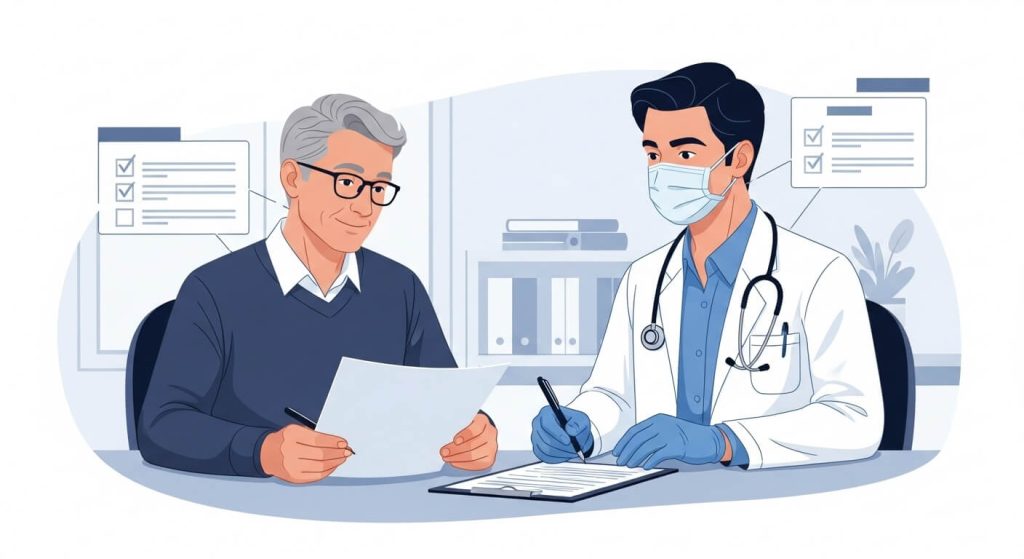
What your clinician will ask
- Where the swelling occurs and how fast it starts
- Whether hives or itching happen at the same time
- New foods, new medications, or recent infections
- Any family history of recurrent swelling
- Whether episodes include abdominal attacks or airway symptoms
Common tests (only when appropriate)
Depending on the pattern, a clinician may consider:
- Allergy evaluation (history-driven; sometimes skin/blood testing)
- Basic bloodwork to check inflammation or organ stress
- Complement testing (often C4 and C1 inhibitor testing) if hereditary forms are suspected
Why the cause matters
The best treatment depends on whether the swelling is histamine-driven vs bradykinin-driven. Those pathways can look similar, but they don’t always respond to the same medications.
Medications
Medications used for angioedema, depending on the cause
Medication choices depend on severity and the suspected pathway.
Common options for histamine-related swelling
- Non-sedating antihistamines (often first-line)
- Short courses of corticosteroids in selected situations
- Epinephrine for suspected anaphylaxis (emergency use, not for routine swelling)
Options used for bradykinin-related forms
For hereditary angioedema and certain non-histamine patterns, clinicians may use pathway-specific treatments (acute or preventive), which can include:
- C1 inhibitor replacement therapies
- Bradykinin receptor–targeted medicines
- Preventive therapies in people with frequent or severe episodes
Medication safety note
Do not “test” suspected triggers on your own. If you’ve had airway swelling, your plan should be guided by a clinician, and you should know exactly when to use emergency medications.
Treatments
Treatment plan for angioedema: relief now and prevention later
Treatment usually has two goals: manage the current episode and reduce the chance of recurrence.
During an episode
- Stop the suspected trigger (if known and safe to do so)
- Follow the action plan you were given (especially if you have a history of severe reactions)
- Seek emergency care if there are any breathing, voice, or swallowing symptoms
Preventing future episodes
- Keep a trigger log (foods, meds, infections, stress, timing, photos)
- Review your medication list with your clinician (ACE inhibitors are a key “must review”)
- Ask whether referral to allergy/immunology is appropriate
- For recurrent or severe non-hive swelling, ask whether hereditary testing makes sense
Living with recurring swelling
A prevention plan is often more effective than trying random changes. People do best when they have:
- A clear “what to do next” plan
- A medication review
- A strategy for travel/work/school situations where triggers may happen
FAQs
Is angioedema the same thing as hives?
Not exactly. Hives affect the top layers of skin and usually itch. This condition tends to be deeper swelling and may feel tight or painful. They can happen together or separately.
How long does angioedema last?
Many episodes improve within hours to a day, but the timeline depends on the cause. Recurrent patterns (especially non-hive swelling) should be evaluated.
What’s the most common trigger?
Triggers vary. Allergies and medications are common, and ACE inhibitors are a frequent cause of swelling without hives. Sometimes no trigger is identified.
Can angioedema be life-threatening?
Yes—when swelling affects the airway. Tongue or throat involvement, hoarseness, and breathing trouble should be treated as emergencies.
Should I get tested for hereditary angioedema?
Consider asking if you have repeated swelling without hives, abdominal attacks, episodes starting young, or a family history. Testing is guided by your clinician based on your pattern.
References
Trusted resources to learn more and support medication decisions
For a clinician-reviewed overview of hives and angioedema, including symptoms and causes, see this resource from Mayo Clinic: Hives and angioedema – Symptoms and causes
If you’re comparing prescription options and costs, this internal guide may help: Generic vs brand-name drugs: differences
If you’re planning to fill prescriptions abroad and want safety considerations, review: Pharmacies in Tijuana Mexico (2025)