
Educational note: This content is for education only and doesn’t replace medical advice. If breathing becomes severely difficult, you can’t speak in full sentences, or symptoms aren’t improving with rescue medicine, seek urgent care.
Definition
Asthma explained: a chronic condition with sensitive airways
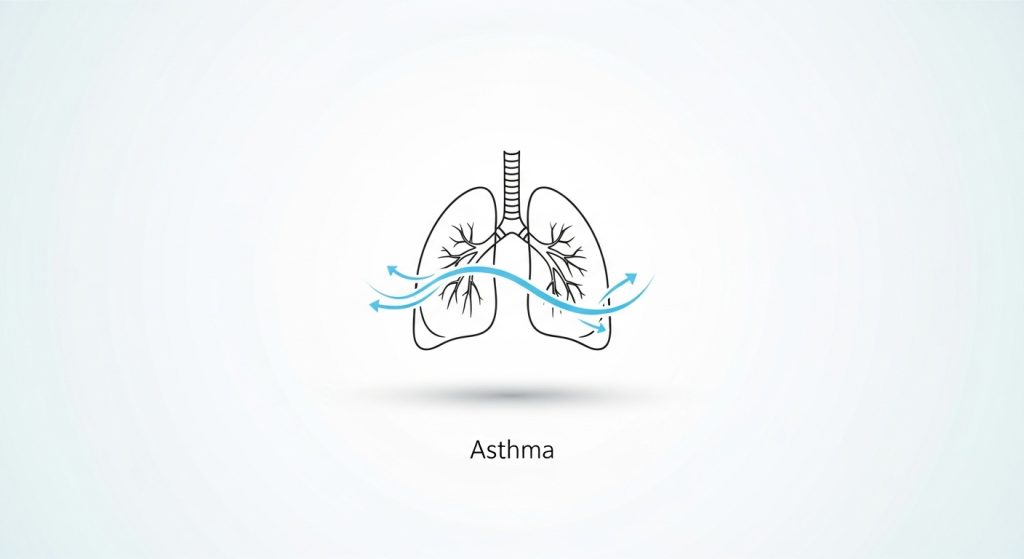
Asthma is a long-term airway condition where breathing tubes become unusually reactive. When triggered, the airway lining can swell, the surrounding muscles can tighten, and mucus may increase—making it harder to move air in and out.
Many people experience symptom-free stretches and then notice flares during colds, allergy seasons, smoke exposure, or intense activity. Because patterns can change over time, good control usually relies on both prevention and a plan for flare-ups.
What a flare (attack) is
A flare is a period when symptoms worsen due to airway narrowing and inflammation. Some episodes are mild and short, while others escalate quickly and need urgent treatment.
Causes
Why asthma happens: genes, environment, and airway inflammation
There isn’t one single cause. Most cases reflect a combination of inherited risk and environmental exposures that shape immune responses in the lungs. Some people also develop symptoms later in life after repeated respiratory infections or workplace irritants.
Common contributors include:
- Personal or family history of allergies, eczema, or Asthma
- Early-life respiratory infections or frequent bronchitis-like illnesses
- Ongoing exposure to smoke, pollution, dust, or strong chemical fumes
- Chronic nasal inflammation (seasonal allergies, sinus issues)
- Certain work environments (cleaning agents, powders, industrial gases)
Common triggers (things that can worsen symptoms)
Triggers can vary widely from person to person:
- Allergens: pollen, mold, pet dander, dust mites
- Viral infections: colds, flu, COVID-19
- Exercise (especially in cold, dry air)
- Weather shifts and indoor air changes
- Smoke/vaping, strong fragrances, air pollution
- Stress, poor sleep, reflux, and untreated nasal allergies
Symptoms
Asthma symptoms and warning signs to watch for
Symptoms can look different across people and ages. Some have intermittent symptoms, while others feel them daily or at night.
Typical symptoms include:
- Shortness of breath
- Wheezing (often when breathing out)
- Chest tightness or pressure
- Cough that may worsen at night or with cold air
- Symptoms that flare with colds, allergens, or irritants
Signs control may be slipping
These patterns often suggest you need a treatment review:
- You’re reaching for a rescue inhaler more frequently than before
- Nighttime cough or waking due to breathing symptoms
- Shortness of breath with activities that used to feel easy
- Symptoms that keep returning after respiratory infections
Emergency red flags
Seek urgent help if you notice:
- Rapid worsening of wheeze or breathlessness
- Minimal improvement after rescue inhaler use
- Trouble speaking due to shortness of breath
- Severe chest retractions or extreme fatigue
- Blue/gray lips or face, confusion, or faintness
Diagnosis
How asthma is diagnosed: symptom patterns plus lung testing
Diagnosis usually combines your symptom history with breathing tests. Many conditions can mimic Asthma-like symptoms (for example, reflux, chronic sinus issues, vocal cord dysfunction, anxiety-related breathing changes, or COPD), so objective testing helps confirm what’s happening.
Common evaluation steps
- Detailed history: timing, triggers, nighttime symptoms, family history
- Physical exam: may be normal between flares
- Spirometry: measures airflow before and after a bronchodilator to see reversibility
- Peak flow monitoring (home): tracks changes over time and can detect early decline
- Allergy assessment: useful if symptoms correlate with seasons, pets, or indoor exposure
- FeNO testing (in some clinics): can support an inflammation pattern in certain patients
Medications
Asthma medications: relief inhalers vs long-term control
Most treatment plans use two medication categories: quick relief for sudden symptoms and controller therapy to reduce inflammation and prevent flare-ups.
Quick-relief (rescue) options
Rescue medicine is used when symptoms start:
- Short-acting bronchodilators (rescue inhalers)
If you need rescue medicine often, it may be a sign your baseline control needs to be adjusted.
Controller options (used regularly)
These reduce airway inflammation and lower the risk of attacks:
- Inhaled corticosteroids
- Combination inhalers (steroid + long-acting bronchodilator)
- Leukotriene modifiers (helpful for some allergic patterns)
- Add-on inhalers in selected cases (specialist-directed)
Severe disease options (specialist-guided)
For persistent symptoms despite standard therapy, a clinician may consider:
- Biologic therapies for specific inflammation profiles
- Short courses of oral steroids for acute flares (generally not ideal long-term)
If cost or access is affecting adherence, this guide can help you compare options: Generic vs. Brand-Name Drugs: Key Differences.
Treatments
Daily asthma care: triggers, technique, and an action plan
Medications work best when paired with a clear plan and consistent habits that lower exposure to triggers.
Create a simple action plan
A written plan typically covers:
- What you use daily (if prescribed)
- What to use when symptoms increase
- When to step up care
- When to seek urgent evaluation
Check inhaler technique
Technique problems are common and can make treatment seem ineffective. A quick review with a clinician or pharmacist can improve symptom control quickly. Spacers can also help with certain inhalers.
Reduce exposure to common irritants
Practical steps that often help include:
- Avoiding smoking/vaping and secondhand smoke
- Improving indoor air quality (reduce dust/mold, ventilate when possible)
- Treating nasal allergies and sinus symptoms
- Planning for exercise (warm-ups, cold-air protection, clinician guidance)
- Staying up to date with vaccines to lower infection risk
If you travel and need help planning safe prescription pickup options, see: Pharmacies in Tijuana, Mexico (2025).
FAQs
Quick answers about asthma management
Is asthma curable?
There usually isn’t a cure, but many people achieve excellent long-term control. With the right plan, symptoms can become rare and mild.
What’s the difference between a rescue and a controller inhaler?
A rescue inhaler is for fast symptom relief. A controller inhaler is used regularly to reduce inflammation and prevent symptoms from happening.
Can I exercise with asthma?
Often yes. Many people do well with proper control, warm-ups, and a plan for exercise-related symptoms. If symptoms reliably flare with activity, ask about treatment adjustments.
When should I go to the ER?
Go urgently if symptoms are rapidly worsening, you can’t speak comfortably, lips/face look bluish, or rescue medicine isn’t helping.
Can adults develop asthma for the first time?
Yes. Adult-onset Asthma can appear after infections, workplace exposures, or changes in allergies. Testing helps confirm the diagnosis and rule out other causes.
References
Evidence-based resources for readers
External resource: Asthma information (NHLBI)