

Educational note: This article is for education and does not replace medical advice. If you have severe symptoms (such as heavy bleeding, chest pain, or sudden weakness), seek urgent care.
Definition
What Cancer is and what it isn’t
Cancer is a broad umbrella term for diseases in which certain cells begin to grow and divide out of control. Over time, these abnormal cells can form a mass (a tumor) or spread through the blood and lymph system to other parts of the body.
Not every lump is Cancer. Many growths are benign, meaning they do not invade nearby tissue or spread. A clinician usually needs imaging and/or a biopsy to tell the difference.
Key idea in plain language
Cancer happens when cell “instructions” (DNA) change in ways that:
- speed up cell growth,
- disable the normal “stop” signals, and
- allow cells to avoid being cleared out by the body.
Tumor, malignancy, and metastasis
- Tumor: a mass of cells. Tumors can be benign or malignant.
- Malignant: able to invade nearby tissue and potentially spread.
- Metastasis: spread of Cancer cells to distant organs.
Causes
Why Cancer starts: genetics, environment, and chance
Cancer usually develops from a mix of factors. Some are inherited, many are acquired over time, and some are related to random DNA errors that happen during normal cell division.
Common contributors
- Inherited variants: A small portion of Cancer risk comes from genes passed through families.
- Tobacco exposure: the strongest preventable cause for many types.
- Radiation: including high-dose medical or environmental exposure.
- Infections: certain viruses and bacteria can increase risk in specific organs.
- Chronic inflammation: long-standing irritation in tissues can raise risk.
- Lifestyle factors: alcohol, obesity, inactivity, and limited fruits/vegetables can contribute.
Risk factors you can’t change (and can)
Some risk factors are not modifiable:
- Increasing age
- Certain inherited syndromes
- Past high-dose radiation
Many risk factors are modifiable:
- Avoid tobacco and secondhand smoke
- Limit alcohol
- Maintain a healthy weight and move regularly
- Protect skin from excessive UV exposure
- Stay up to date with recommended vaccines (for example, HPV and hepatitis B)
Symptoms
Warning signs of Cancer and when to get checked
Symptoms vary widely depending on the organ involved and the stage. Some people have no symptoms at first, which is why screening matters.
General symptoms that deserve medical attention
These symptoms can have many causes (most are not Cancer), but they should be evaluated if they persist:
- Unexplained weight loss
- Ongoing fatigue that doesn’t improve with rest
- Persistent fever or night sweats
- New or worsening pain without a clear reason
- A lump or thickening that doesn’t go away
Organ-specific symptoms (examples)
- Digestive tract: blood in stool, ongoing change in bowel habits, persistent abdominal discomfort
- Lung/airways: cough that doesn’t improve, coughing up blood, shortness of breath
- Skin: a changing mole, a sore that doesn’t heal
- Urinary system: blood in urine, new difficulty urinating
When symptoms need urgent care
Get urgent evaluation for:
- heavy or uncontrolled bleeding
- severe chest pain or trouble breathing
- sudden weakness, confusion, or trouble speaking
Diagnosis
How doctors confirm Cancer and define its stage
A diagnosis is usually confirmed by testing a sample of tissue or cells (biopsy). Before that, clinicians often use a step-by-step approach to understand what’s happening and plan the safest next test.
Common tests used in the workup
- History and physical exam: symptoms, risk factors, and a targeted exam
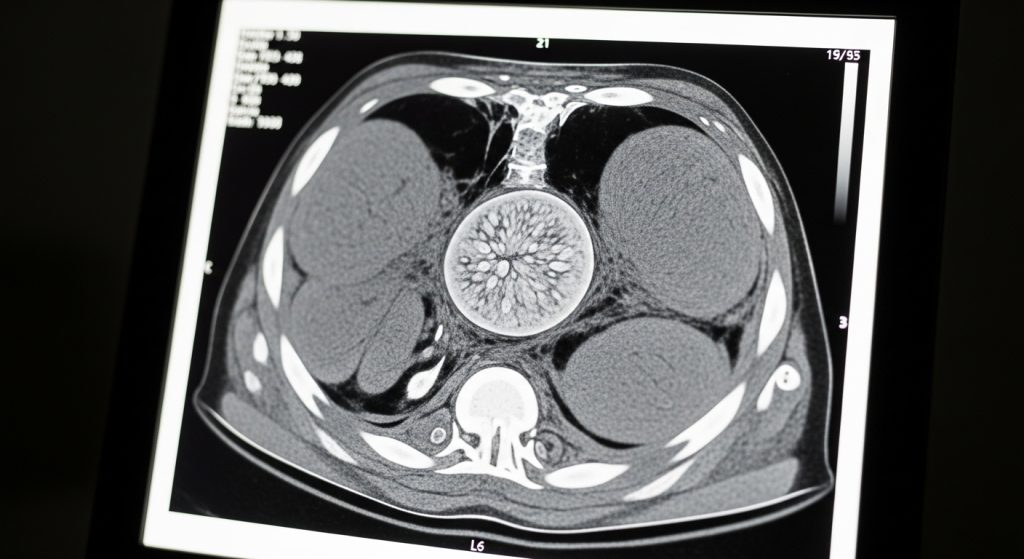
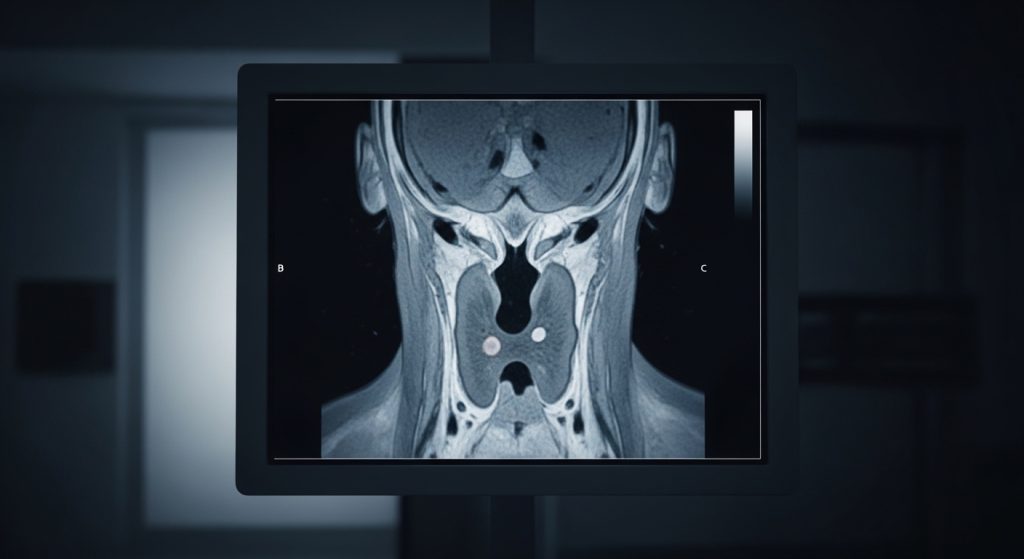
- Imaging: ultrasound, CT, MRI, PET, or X-ray depending on the concern
- Laboratory tests: blood counts, liver/kidney markers, and sometimes tumor markers
- Endoscopy: looking inside organs like the colon, stomach, or lungs when needed
- Biopsy: the definitive step for most cases
Staging and grading (why it matters)
- Stage describes how far Cancer has spread (local vs regional vs distant).
- Grade describes how abnormal the cells look under the microscope and how aggressively they may behave.
These details help clinicians choose treatments and estimate prognosis.
Biomarkers and genetic testing
Some cancers are tested for biomarkers (specific changes in DNA or proteins) that guide therapy. This may involve tumor tissue testing and, in some cases, blood-based testing. Biomarker results can change treatment choices and clinical trial options.
Medications
Medicines used for Cancer: from chemo to targeted therapy
Medication plans are personalized. The type of Cancer, stage, biomarkers, overall health, and treatment goals all shape which medicines are used and in what order.
Main medication categories
- Chemotherapy: drugs that damage rapidly dividing cells; often used in cycles.
- Targeted therapy: drugs that block specific pathways that tumors rely on.
- Immunotherapy: helps the immune system recognize and attack tumor cells.
- Hormone therapy: used for tumors that depend on hormones (such as some breast or prostate tumors).
- Supportive medicines: anti-nausea drugs, growth factors, pain control, and infection prevention.
Managing side effects safely
Common side effects may include fatigue, nausea, appetite changes, diarrhea/constipation, neuropathy, rash, or low blood counts. Tell your care team early—many effects can be prevented or reduced.
If you’re exploring ways to reduce medication costs while staying safe, you may find licensed pharmacies in Tijuana helpful.
Treatments
Cancer treatment pathways and what to expect
Treatment usually combines one or more approaches. Your care team may talk about “curative intent” (aiming to remove or eradicate disease) or “control and quality of life” (slowing growth, easing symptoms, and maintaining function).
Local treatments
- Surgery: removes a tumor and sometimes nearby lymph nodes.
- Radiation therapy: targets an area with high-energy beams to destroy tumor cells.
- Ablation techniques: destroy tissue using heat, cold, or other methods in selected cases.
Systemic treatments
Systemic therapy treats the whole body and may include chemotherapy, targeted therapy, immunotherapy, or hormone therapy. Some people also receive:
- Stem cell transplant for certain blood cancers
- CAR T-cell therapy in specific settings and eligibility criteria
Clinical trials and second opinions
Clinical trials can offer access to new therapies and are available at many stages of care. Second opinions are common in oncology care, especially when treatment choices are complex.
If you want to understand what “standards of care” look like for cross-border treatment planning, our overview of the Certified Medical Tourism Professional credential can help you know what to ask and what to expect.
FAQs
Quick answers about Cancer for patients and families
Is every tumor Cancer?
No. Tumors can be benign or malignant. Only malignant tumors meet the definition of Cancer because they can invade and potentially spread. A biopsy is often needed to confirm the diagnosis.
What are the most important screening tests?
Screening depends on age, sex, personal history, and family history. Common examples include breast screening, cervical screening, colorectal screening, and lung screening for people at high risk. Ask your clinician which tests fit your risk profile and when to start.
What does “stage” mean?
Stage describes how much Cancer is in the body and whether it has spread. Earlier stages are generally easier to treat. Staging guides treatment planning and helps estimate outlook.
Can Cancer be prevented?
Not completely, but many cases are preventable. The biggest steps include avoiding tobacco, maintaining a healthy weight, limiting alcohol, staying active, protecting skin from UV, and keeping up with recommended vaccines and screenings.
Where can I read a reliable overview?
A good starting point is an evidence-based overview on the NCBI Bookshelf overview: NCBI Bookshelf overview.
References
Sources used to inform this overview
- American Cancer Society (patient education and guidance)
- World Health Organization (prevention and public health facts)
- U.S. Preventive Services Task Force (screening recommendations)