


Educational note: This article is for general education and does not replace medical advice. If you have severe abdominal pain, persistent vomiting, dehydration, high fever, or blood in stool, seek urgent medical care.
Definition
Crohns Disease explained in plain language
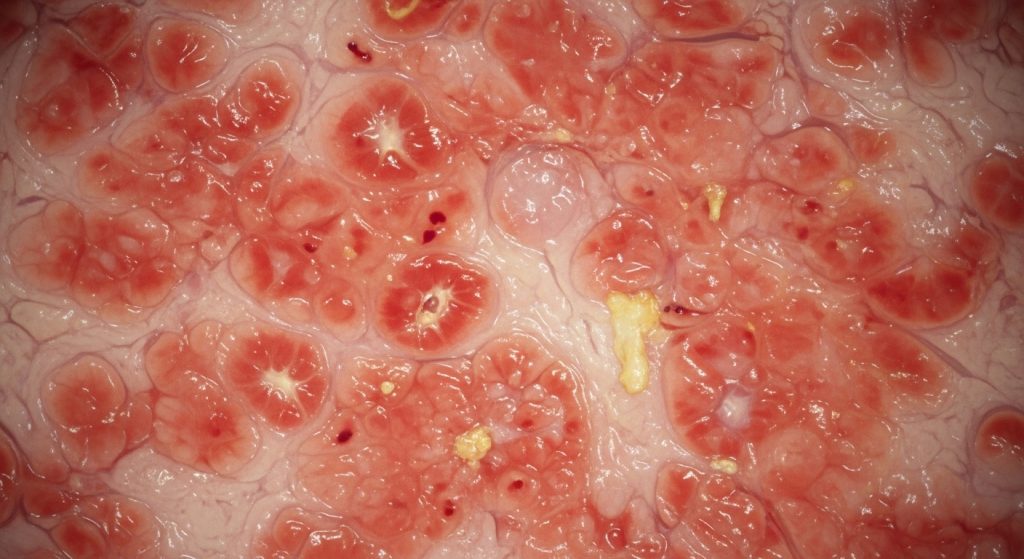
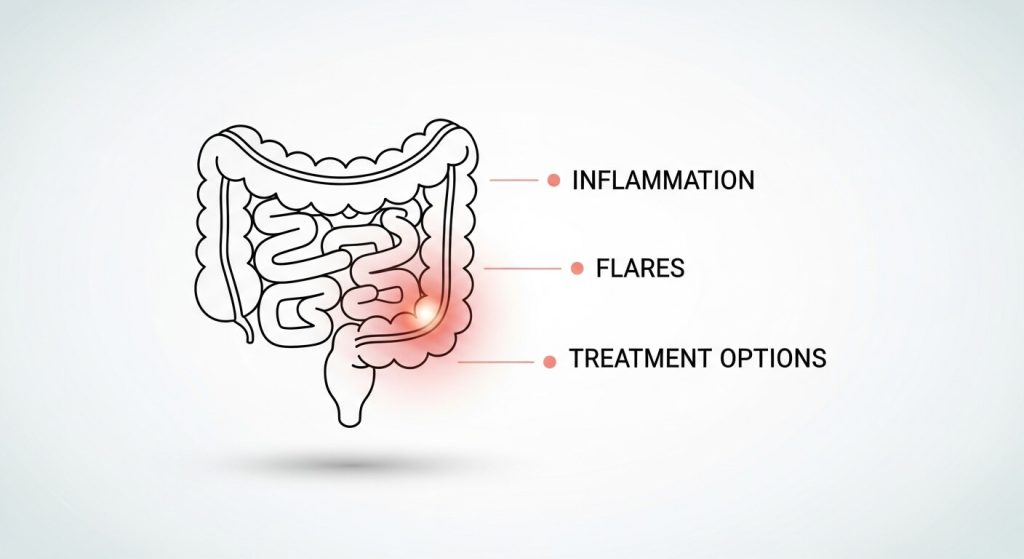
Crohn’s Disease is a chronic inflammatory bowel disease (IBD) that can cause ongoing inflammation anywhere along the digestive tract—from the mouth to the anus—most often near the end of the small intestine and the start of the colon. Inflammation may be patchy (skipping areas) and can extend deeper into the bowel wall than some other forms of IBD.
Crohn’s Disease often follows a pattern of flares (worsening symptoms) and remission (few or no symptoms). Some people have mild disease with long quiet periods, while others need ongoing treatment to protect the bowel and prevent complications.
Why it matters
When Crohn’s Disease is not well controlled, inflammation can lead to strictures (narrowing), fistulas (abnormal tunnels), nutrient deficiencies, and reduced quality of life. Early diagnosis and a personalized plan can lower these risks.
Causes
What triggers intestinal inflammation in Crohns
There is no single cause. In Crohn’s Disease, the immune response becomes misdirected in the gut, influenced by genetics and environmental exposures. Instead of an “infection you catch,” it’s better to think of it as an immune-driven condition where the body’s defenses overreact in the digestive tract.
Key contributors doctors consider
- Genetic susceptibility: having a close relative with IBD increases risk.
- Immune dysregulation: the immune system stays “on,” creating ongoing gut inflammation.
- Microbiome and environment: changes in gut bacteria, diet patterns, stress, smoking, and certain medicines may influence flares.
Common risk factors
- Smoking (one of the most modifiable risks)
- A family history of IBD
- Prior episodes of bowel inflammation or unexplained anemia
- Long-term use of NSAIDs (in some people, these can worsen symptoms)
- Diagnosis more often occurs in teens and young adults, but it can start at any age
Symptoms
Symptoms of Crohn’s that shouldn’t be ignored
Symptoms vary based on which part of the digestive tract is inflamed and how severe the inflammation is. During Crohn’s Disease flares, symptoms can change quickly.
Digestive symptoms
- Ongoing diarrhea (sometimes urgent)
- Cramping or abdominal pain
- Blood or mucus in stool (more common when the colon is involved)
- Reduced appetite, early fullness, or nausea
- Unintended weight loss
Whole-body and “outside the gut” symptoms
- Fatigue and low energy
- Fever during flares
- Iron-deficiency anemia
- Joint pain or swelling
- Eye irritation/redness
- Skin changes such as tender red bumps
Possible complications to watch for
- Persistent pain with bloating or vomiting (possible obstruction/stricture)
- Drainage or pain near the anus (possible fistula)
- Poor growth or delayed puberty in children
- Signs of dehydration (dry mouth, dizziness, very dark urine)
Diagnosis
How Crohn’s Disease is diagnosed and staged
Crohn’s Disease is diagnosed using a combination of medical history, a physical exam, and tests that confirm inflammation, map where it is in the GI tract, and rule out look-alike conditions.
Tests commonly used
- Blood tests: check for anemia, inflammation, and nutrition markers.
- Stool tests: help rule out infection and assess inflammation.
- Endoscopy (often colonoscopy) with biopsy: lets clinicians see the bowel lining and take tissue samples; endoscopy is considered a very accurate way to diagnose Crohn’s.
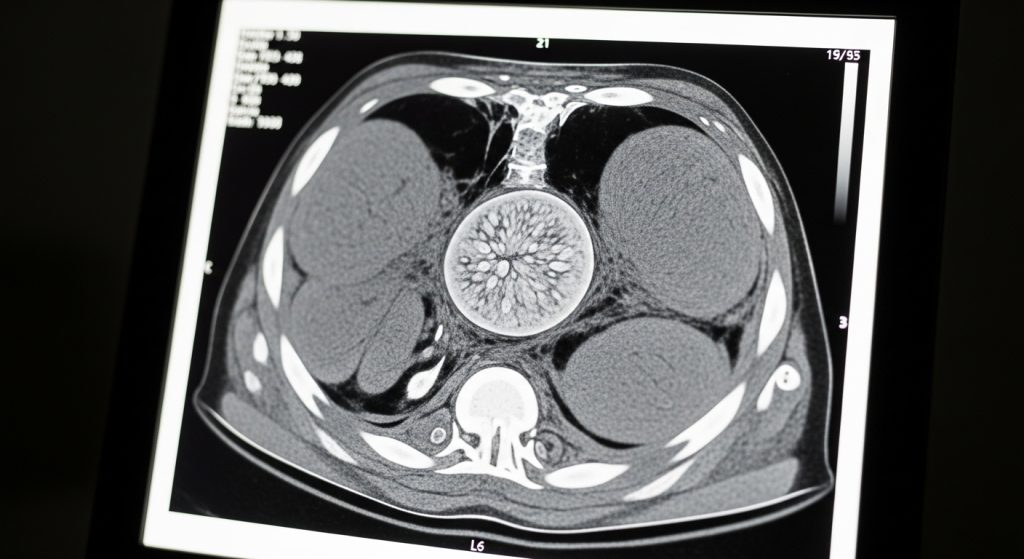
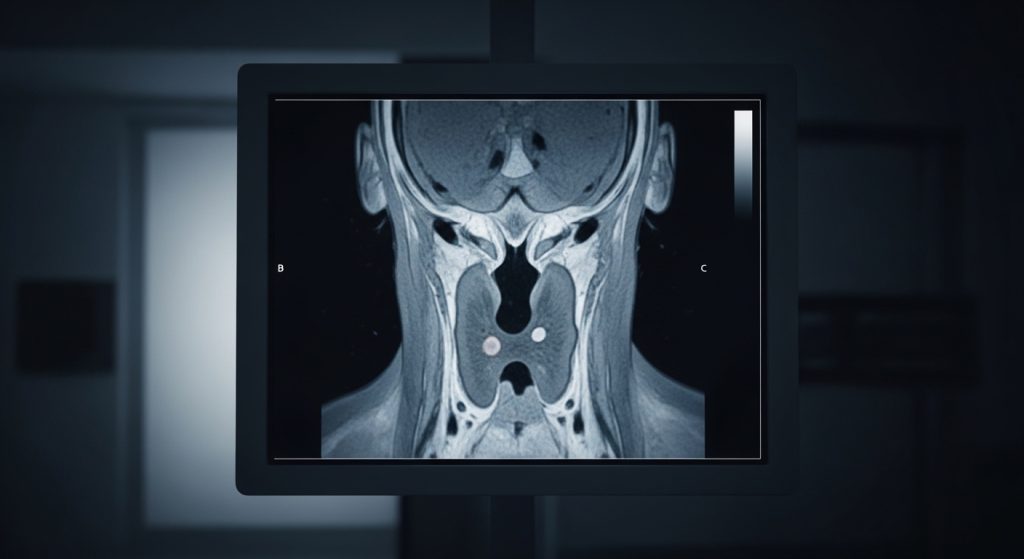
- Imaging: CT or MRI-based studies can evaluate small bowel disease and complications.
- Capsule endoscopy: in selected cases, a swallowable camera capsule can help evaluate the small intestine.
What “severity” can mean
Severity isn’t only about how you feel day to day. Clinicians also look at inflammation on imaging/endoscopy, complications (like fistulas), and how often steroids are needed. This helps guide safer, longer-term treatment choices.
Medications
Medication options for Crohn’s Disease and what they do
Medication choices depend on where the disease is, how active it is, and whether there are complications. The goal is to calm inflammation, maintain remission, and reduce steroid exposure.
Short-term symptom control
- Antidiarrheals may be used in select cases (not during suspected obstruction).
- Antispasmodics can help cramping for some people.
- Antibiotics may be used when abscesses or certain fistulas are suspected.
Anti-inflammatory and immune-modifying medicines
- Corticosteroids (like prednisone or budesonide) can reduce inflammation quickly, but they’re usually not a long-term plan because of side effects.
- Immunomodulators (such as azathioprine, 6-MP, or methotrexate) may help maintain remission, sometimes alongside a biologic.
Biologics and targeted therapies
For moderate to severe Crohn’s Disease, biologics and targeted therapies are often used to control inflammation and prevent complications. Classes include:
- Anti-TNF therapies (commonly used for Crohn’s)
- Anti-integrin therapy (gut-selective options)
- IL-12/23 or IL-23 targeted therapies (including risankizumab, indicated for moderately to severely active Crohn’s in adults)
- JAK inhibitor therapy (upadacitinib is FDA-approved for certain adults with moderately to severely active Crohn’s after inadequate response/intolerance to TNF blockers)
If you’re exploring affordability for biologics used in Crohn’s care, you can read about the Humira assistance program in Tijuana and an affordable Stelara assistance pathway.
Treatments
Treatment plan beyond pills: nutrition, monitoring, and procedures
Crohn’s Disease care usually works best with a step-by-step plan that includes medication plus lifestyle supports and monitoring.
Nutrition and lifestyle supports
- Nutrition planning: Some people benefit from specific strategies during flares (like low-residue diets) and a balanced approach in remission.
- Correcting deficiencies: iron, vitamin B12, vitamin D, and others may need attention.
- Smoking cessation: quitting smoking can improve outcomes.
- Stress support: stress doesn’t “cause” Crohn’s, but it can worsen symptoms; therapy, sleep, and movement can help.
Monitoring and prevention
- Regular follow-up to adjust treatment when symptoms change
- Vaccines and infection screening before certain immune therapies
- Bone health monitoring if steroids have been used
- Colon cancer screening schedules if the colon is involved
When surgery is considered
Surgery does not “cure” Crohn’s Disease, but it can be essential for complications such as strictures, perforation, severe bleeding, abscesses, or fistulas. Procedures may remove a damaged segment, drain an abscess, or address perianal disease. Many people still need ongoing medical therapy after surgery to reduce recurrence.
For a detailed public-health overview of symptoms, testing, and treatment, see the NIDDK Crohn’s disease overview.
FAQs
Quick answers patients ask about Crohn’s Disease
Can Crohn’s Disease go into remission?
Yes. Many people achieve remission with the right treatment plan. Remission can mean fewer symptoms, but doctors also aim for healing seen on tests, because that’s linked to fewer complications over time.
Is Crohn’s Disease the same as ulcerative colitis?
No. Both are IBD, but they affect the gut differently. Crohn’s can involve any part of the digestive tract and may affect deeper bowel layers, while ulcerative colitis affects the colon and the inner lining.
Do foods cause Crohn’s Disease?
Food does not cause Crohn’s Disease, but certain foods can worsen symptoms during flares. Keeping a simple symptom-and-food log can help you identify personal triggers.
When should I call a doctor urgently?
Seek urgent care for severe or worsening abdominal pain, persistent vomiting, signs of dehydration, a high fever, black/tarry stools, or significant bleeding. Also call promptly if you have new severe pain near the anus or drainage that may suggest an abscess.
Can pregnancy be safe with Crohn’s Disease?
Often, yes—especially when the disease is well controlled before conception. Medication choices during pregnancy should be discussed early with your gastroenterologist and OB-GYN.
References
Sources used to inform this article
- National Institute of Diabetes and Digestive and Kidney Diseases (NIDDK): Crohn’s Disease pages (definition, symptoms, diagnosis).
- U.S. Food and Drug Administration (FDA): prescribing information and approval communications for targeted therapies used in Crohn’s Disease.
- Crohn’s & Colitis Foundation: patient education resources on medicines for IBD.