Educational note: This article is for education only and does not replace medical care. If you have severe pelvic pain, heavy bleeding, fever, fainting, or signs of an emergency pregnancy complication, seek urgent medical attention.
Definition
Female infertility definition: what it means and when to seek evaluation
Female infertility generally means not becoming pregnant after a period of regular, unprotected sex. Many clinicians use 12 months of trying as the benchmark for most people, but evaluation can start sooner depending on age and symptoms. Female infertility is common, and it’s also common for more than one factor to be involved.
At a high level, pregnancy requires several steps to happen in the right order:
- An egg is released from an ovary (ovulation)
- The egg moves into a fallopian tube
- Sperm reaches the egg for fertilization
- The embryo travels to the uterus
- The embryo implants into the uterine lining
Female infertility can result from disruptions at any of these steps, or from conditions that make implantation or early pregnancy harder.
When to consider earlier evaluation
You don’t always need to wait a full year. Earlier testing is often recommended if you:
- Are 35+ and have been trying for several months without success
- Are 40+ and want to begin trying (or have been trying)
- Have irregular or absent periods (possible ovulation problems)
- Have severe menstrual pain, known endometriosis, prior pelvic infection, or prior pelvic surgery
- Have a history of repeated miscarriage
Causes
Female infertility causes: ovulation, tubes, uterus, and “unexplained” cases
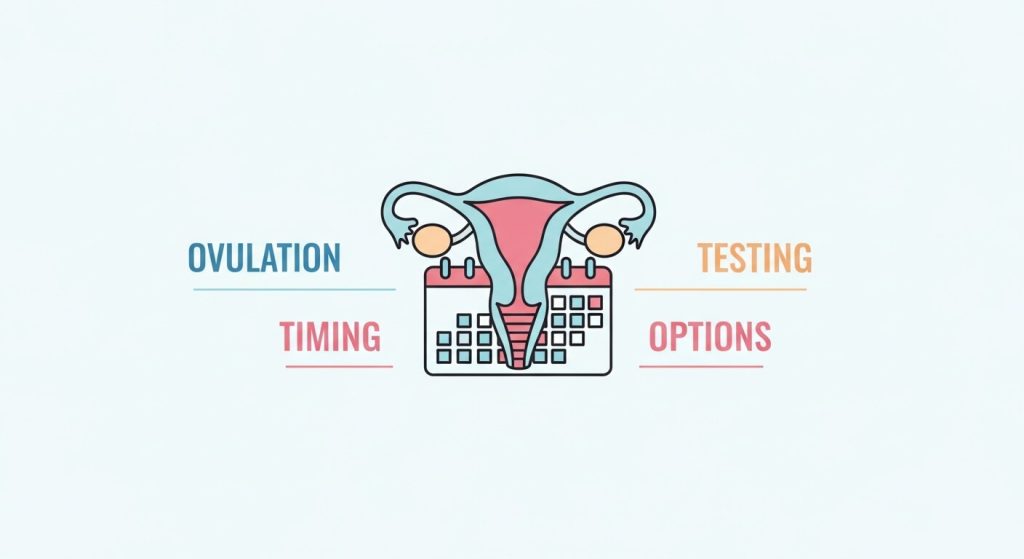
Female infertility often comes down to one (or a mix) of four categories: ovulation disorders, tubal factors, uterine/cervical factors, and unexplained infertility. Age-related changes can also affect egg quantity and quality over time.
Ovulation-related causes (very common)
If ovulation is infrequent or not happening, timing becomes unpredictable and pregnancy is less likely. Common contributors include:
- Polycystic ovary syndrome (PCOS)
- Thyroid disorders
- Elevated prolactin (a hormone that can disrupt ovulation)
- Significant weight changes, intense exercise, or high stress that affects hormone signaling
- Primary ovarian insufficiency (reduced ovarian function earlier than expected)
Tubal factors (fallopian tube blockage or damage)
Blocked or damaged tubes can prevent sperm from reaching the egg or keep an embryo from traveling to the uterus. Causes may include:
- Prior pelvic inflammatory disease (often linked to certain STIs)
- Scar tissue after abdominal or pelvic surgery
- Endometriosis affecting the tubes or surrounding tissue
Uterine or cervical factors
The uterus is where implantation and pregnancy growth happen. Issues can include:
- Fibroids (depending on size and location)
- Polyps
- Congenital uterine shape differences
- Scarring inside the uterus
- Cervical factors that interfere with sperm movement (less common today as a sole explanation)
“Unexplained” infertility
Sometimes testing doesn’t reveal a single clear cause. Female infertility may still be present due to subtle issues in egg quality, sperm-egg interaction, timing, or implantation that standard tests can’t fully capture.
Symptoms
Female infertility symptoms: signs that suggest ovulation or pelvic factors
The main symptom of Female infertility is simply not becoming pregnant. Still, certain clues can suggest an underlying issue—especially with ovulation or pelvic health.
Symptoms that can point to ovulation problems
- Irregular cycles (frequently longer than ~35 days or shorter than ~21 days)
- Missed periods or very infrequent periods
- Unpredictable bleeding patterns
- Acne or excess hair growth (may suggest PCOS in some people)
Symptoms that can suggest pelvic or uterine conditions
- Severe menstrual cramps or pelvic pain (possible endometriosis)
- Pain with sex
- Very heavy periods or bleeding between periods (possible fibroids or polyps)
- Chronic pelvic discomfort
When symptoms should prompt faster care
Contact a clinician sooner if Female infertility is paired with:
- Very irregular cycles or no periods
- Past pelvic infections, ectopic pregnancy, or pelvic surgery
- Known endometriosis
- Recurrent miscarriage
- Symptoms of thyroid imbalance (significant weight change, intolerance to cold/heat, hair/skin changes)
Diagnosis
Female infertility diagnosis: the step-by-step testing most people need
A Female infertility workup typically looks at both partners because fertility is often shared. For the female partner, testing usually focuses on ovulation, ovarian reserve, the uterus, and fallopian tubes.
A helpful starting overview is the CDC’s infertility information, which explains the basics of evaluation and common causes.
History and cycle review
Clinicians often begin with:
- Cycle length and regularity
- Pregnancy history
- Past infections, surgeries, or endometriosis symptoms
- Lifestyle factors (smoking, alcohol, weight changes, stress)
- Medications and relevant health conditions
Ovulation and hormone evaluation
Common tools include:
- Ovulation predictor kits (LH surge)
- Mid-luteal progesterone blood test (confirms ovulation)
- Thyroid testing (TSH)
- Prolactin testing when indicated
Ovarian reserve testing (not the same as “fertility,” but useful)
These tests can help estimate how the ovaries may respond to stimulation:
- AMH (anti-Müllerian hormone)
- Day 3 FSH/estradiol
- Ultrasound antral follicle count (AFC)
Uterus and tube assessment
Depending on symptoms and history:
- Transvaginal ultrasound
- Hysterosalpingogram (HSG) to check tubal patency
- Saline sonogram for uterine cavity detail
- Laparoscopy in select cases (often when endometriosis is suspected)
Medications
Female infertility medications: ovulation induction, hormone support, and targeted therapy
Medications for Female infertility are chosen based on the cause. Some help the body ovulate more regularly, others treat hormone imbalances, and some support the uterine lining or timing of ovulation.
Ovulation induction medications
These may be used when ovulation is irregular or absent:
- Letrozole (commonly used in PCOS-related ovulation issues)
- Clomiphene citrate (another ovulation induction option)
- Gonadotropin injections (more intensive stimulation, often with close monitoring)
Medications that treat contributing conditions
- Thyroid medication if thyroid imbalance is affecting cycles
- Prolactin-lowering medication when prolactin is elevated
- Metformin in select PCOS cases (often for insulin resistance)
Medication safety and monitoring (important)
Many fertility medications require monitoring to reduce risks such as:
- Multiple pregnancy (twins or more)
- Ovarian hyperstimulation (uncommon but serious in certain contexts)
- Cycle timing problems without adequate follow-up
If you’re comparing medication options and costs as part of Female infertility planning, this guide can clarify naming and pricing differences: Generic vs. brand-name drugs: what changes and what doesn’t.
Treatments
Female infertility treatments: from lifestyle changes to IUI and IVF
Female infertility treatment is not one-size-fits-all. The best plan depends on age, test results, how long you’ve been trying, and personal goals.
First-line lifestyle and timing strategies
Even small changes can help support fertility:
- Reaching a healthier weight if underweight or significantly overweight
- Quitting smoking and limiting alcohol
- Managing stress and sleep
- Tracking ovulation and timing intercourse more precisely
Treating underlying conditions
- Surgical removal of certain polyps or fibroids when they affect the uterine cavity
- Endometriosis management (medical and/or surgical, depending on severity and goals)
- Treating infections and preventing reinfection when relevant
Assisted reproductive technologies (ART)
When timing, ovulation, tubal factors, or unexplained infertility persist, options may include:
- IUI (intrauterine insemination), often paired with ovulation induction
- IVF (in vitro fertilization), which may be recommended for tubal blockage, significant male factor, older age, or after other approaches fail
- ICSI (a form of IVF often used when sperm factors are involved)
- Donor eggs or donor sperm in selected cases
- Fertility preservation (like egg freezing) for people planning ahead
Planning care across locations (practical note)
Some people explore specialized centers or cross-border care for affordability or access. If Female infertility care involves travel, having organized records, clear timelines, and continuity planning matters. This resource can help you structure those decisions: Certified medical tourism professional guide.
FAQs
Female infertility FAQs: clear answers to common questions
When should I see a doctor for Female infertility?
Many people start evaluation after 12 months of trying, but earlier is reasonable if you’re 35+ (after several months) or 40+ (right away), or if you have irregular cycles, severe pain, or a history that raises concern.
Can Female infertility be caused by irregular periods?
Yes. Irregular or absent periods often suggest irregular ovulation, which is one of the most common contributors to Female infertility.
What does “unexplained” mean in Female infertility?
It means standard testing didn’t identify a single clear cause. It doesn’t mean nothing is wrong—just that the factors may be subtle (timing, egg quality, sperm-egg interaction, implantation) or mixed.
Does Female infertility always require IVF?
No. Many people conceive with lifestyle optimization, ovulation induction, or IUI—especially when issues are related to ovulation timing. IVF is one option among many, often used when other methods are unlikely to work or haven’t worked.
Can stress alone cause Female infertility?
Stress can affect cycles, sleep, and overall health, and it may contribute to irregular ovulation in some people. But Female infertility is usually multifactorial, so stress reduction is helpful as part of a broader plan—not as the only approach.
References
References for Female infertility: trusted sources and next steps
For reliable education on Female infertility, prioritize clinician-reviewed resources and national public health agencies. Your OB-GYN or reproductive endocrinologist can interpret testing in context, explain treatment trade-offs, and tailor a plan to your timeline and goals.