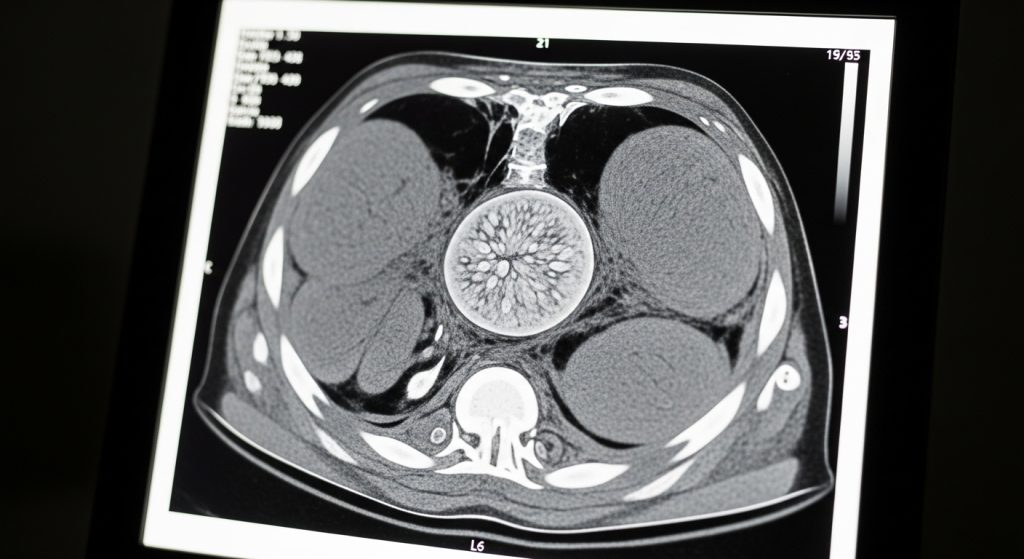



Educational note: This article is for education only and doesn’t replace medical care. If you have uncontrolled bleeding, a head injury, severe pain/swelling in a joint, or signs of internal bleeding, seek urgent medical attention—especially if you have or suspect Hemophilia A.
Definition
Hemophilia A definition: what factor VIII does in normal clotting
Hemophilia A is a bleeding disorder caused by low or missing factor VIII (a clotting protein). When factor VIII is low, the body can still form clots, but the process is slower and less stable—so bleeding can last longer or restart after it seems to stop.
Hemophilia A is often described by severity (how much factor VIII activity is present). Severity matters because it helps predict how likely spontaneous bleeding is and how aggressive prevention should be.
Why bleeding can happen “inside” the body
In Hemophilia A, bleeding is not only about cuts. Blood can leak into tissues—especially joints and muscles—after minor bumps or without a clear trigger in more severe cases. Over time, repeated joint bleeds can lead to pain, stiffness, and damage if not prevented and treated quickly.
A quick glossary (plain language)
- Factor VIII: protein that helps clots form correctly
- Bleed episode: bleeding in a joint, muscle, or elsewhere that needs treatment/monitoring
- Prophylaxis: preventive therapy taken on a schedule to reduce bleeds
- Inhibitors: antibodies that make factor replacement less effective

Causes
Causes of Hemophilia A: genetics, inheritance, and “new” mutations
Hemophilia A is usually inherited, meaning it’s linked to changes in the gene responsible for factor VIII. It is commonly X-linked, which explains why it affects many males and can involve carrier status in females—though females can also have symptoms or be diagnosed in some situations.
How Hemophilia A is inherited (simple explanation)
Because the gene is on the X chromosome:
- A child assigned male at birth typically has one X chromosome (from the mother). If that X carries the change, Hemophilia A can occur.
- A child assigned female at birth has two X chromosomes and may be a carrier if one X carries the change. Some carriers have lower factor levels and may experience bleeding symptoms.
When there’s no family history
A significant number of cases happen due to a new (spontaneous) genetic change. That means Hemophilia A can appear even if no one in the family has been diagnosed before.
Factors that can worsen bleeding risk (even without changing genetics)
Even with the same factor level, bleeding risk can increase with:
- High-impact activities without protection
- Certain medications that affect clotting (for example, aspirin or some anti-inflammatories—ask your clinician)
- Untreated joint problems or poor recovery after a bleed
- Poor access to preventive care and rapid treatment
Symptoms
Hemophilia A symptoms: what bleeding looks like in daily life
Hemophilia A symptoms range from mild (bleeding mainly after surgery or major injury) to severe (frequent spontaneous bleeding). Many people first notice patterns like easy bruising, prolonged bleeding after dental work, or joint swelling after minor trauma.
Common bleeding symptoms
- Bruising that is large or appears easily
- Prolonged bleeding after cuts, dental procedures, or surgery
- Nosebleeds that are hard to stop
- Blood in urine or stool (possible internal bleeding)
- Muscle bleeds causing swelling, tightness, or pain
- Joint bleeds (often knees, ankles, elbows)
Signs of a joint bleed (important to catch early)
- Warmth, swelling, or tightness in a joint
- Tingling or “bubbling” feeling before pain starts
- Reduced range of motion
- Pain with movement or weight-bearing
Red flags that need urgent care
Get urgent evaluation if you notice:
- Head injury, severe headache, vomiting, confusion, or vision changes
- Neck/throat swelling or trouble breathing
- Severe abdominal pain or a swollen, painful belly
- Rapidly expanding bruising or severe muscle pain/swelling
- Bleeding that won’t stop after applying pressure
Diagnosis
Hemophilia A diagnosis: clotting tests, factor assays, and severity levels
Hemophilia A is diagnosed with blood tests that evaluate clotting function and directly measure factor VIII activity. The most definitive test is a factor assay that shows how much factor VIII is working.
Tests commonly used
- Clotting screen (baseline labs): can suggest a clotting pathway issue
- Factor VIII activity (assay): confirms Hemophilia A and helps classify severity
- Inhibitor testing: checks for antibodies that interfere with factor treatment
- Genetic testing (when appropriate): can help clarify inheritance and carrier status
Severity (what it usually means in real life)
Clinicians often group Hemophilia A as:
- Mild: bleeding mainly after significant injury or procedures
- Moderate: bleeding after injuries and occasional deeper bleeds
- Severe: higher risk of spontaneous bleeds, especially joints and muscles
Carrier and family planning considerations
If Hemophilia A runs in a family, testing and counseling can help:
- Identify carriers and factor levels
- Plan pregnancy and delivery with safer bleeding management
- Prepare early testing for newborns when indicated
Medications
Hemophilia A medications: factor replacement, non-factor therapy, and inhibitors
Medication strategies for Hemophilia A focus on preventing bleeds and treating them quickly when they occur. The right approach depends on severity, bleeding history, lifestyle, and whether inhibitors are present.
Factor VIII replacement therapy
Factor replacement supplies the missing clotting protein. It can be used:
- On-demand: to treat a bleed when it happens
- Prophylactically: on a schedule to prevent bleeds (common in moderate/severe disease)
Some factor products have different dosing schedules. Your care team chooses based on bleed control, convenience, and lab monitoring.
Non-factor therapy (bleed prevention without factor VIII infusions)
Some newer preventive options help the body clot more effectively through alternative pathways. These therapies may reduce bleed frequency and can be especially helpful for certain patients, including some with inhibitors.
Inhibitors: when treatment stops working as expected
Inhibitors are antibodies that neutralize factor replacement, making it less effective. If inhibitors develop, clinicians may:
- Use bypassing agents or alternative strategies for bleeding control
- Consider immune tolerance approaches in selected cases
- Adjust preventive plans and monitoring
Cost and access (practical note)
Bleeding-disorder therapies can be expensive, and coverage varies. If you’re comparing medications, this explainer can help clarify what changes between options: Generic vs. brand-name drugs: what changes and what doesn’t.
Treatments
Hemophilia A treatment plan: prevention, joint care, and living well
A strong Hemophilia A plan is about preventing bleeds, treating episodes early, and protecting joints over time. Many people do best with a comprehensive care team that includes hematology and physical therapy support.
Prophylaxis vs. on-demand care
- Prophylaxis: scheduled therapy to reduce bleeds and protect joints (often recommended for severe Hemophilia A and many moderate cases)
- On-demand therapy: treatment used at the first sign of bleeding, plus follow-up care to prevent re-bleeding
Joint health and physical therapy
Joint bleeding can lead to chronic pain and mobility issues if repeated. Helpful strategies include:
- Strength and stability exercises guided by a clinician
- Early treatment at the first sign of joint symptoms
- Bracing or protection for certain activities
- Rehab plans after a significant bleed to restore motion safely
Safer activity and injury prevention
You don’t have to avoid movement—smart choices matter:
- Choose low-impact activities when possible (swimming, cycling, controlled strength training)
- Use protective gear for higher-risk sports
- Avoid medications that increase bleeding risk unless a clinician approves
- Create an action plan for travel, school, and work (what to do if a bleed happens)
Coordinated care and travel planning
If you receive care across locations or need help planning safe, coordinated healthcare logistics, use a structured approach and documentation. This guide may help with planning standards and safety basics: Certified medical tourism professional guide.
FAQs
Hemophilia A FAQs: inheritance, severity, and everyday questions
Is Hemophilia A always inherited?
Not always. Many cases run in families, but a meaningful number occur from a new genetic change. That’s why Hemophilia A can appear without a known family history.
Can females have Hemophilia A symptoms?
Yes. Some carriers have lower factor VIII levels and may experience heavy menstrual bleeding, easy bruising, or bleeding after procedures. In some cases, factor levels are low enough for a diagnosis similar to Hemophilia A.
What are the first signs parents may notice in a child?
Common early clues include frequent large bruises, prolonged bleeding after minor injuries, swelling/pain in a joint after a small bump, or unusual bleeding after procedures. Severe Hemophilia A may show earlier due to spontaneous bleeds.
What should I do if I suspect a joint bleed?
Treat it as time-sensitive. Contact your care team promptly, follow your bleed plan, and avoid stressing the joint. Early treatment can reduce pain and help prevent long-term joint damage in Hemophilia A.
Is there a cure for Hemophilia A?
There isn’t a universal “one-size-fits-all” cure, but outcomes have improved dramatically with modern prophylaxis, newer therapies, and specialized care. Some advanced options may be discussed in specialty centers based on individual factors.
References
References for Hemophilia A: trusted places to learn more
For patient-friendly, reliable information on Hemophilia A, start with major public health and specialty organizations. A practical overview is the CDC hemophilia information hub, and hemophilia treatment centers can provide personalized guidance, testing, and long-term care planning.