

Definition
hiv infection definition: what it means and how it affects the body
hiv infection is caused by the human immunodeficiency virus (HIV). The virus targets immune cells that help your body recognize and fight germs. Without care, HIV can gradually reduce immune defenses. With modern treatment, many people keep the virus controlled and protect immune function long-term.
A key distinction: HIV and AIDS are not the same thing. AIDS describes an advanced stage of HIV-related immune damage. Many people living with HIV never reach that stage because treatment can suppress the virus and preserve health.
Key terms you may hear
- Viral load: how much HIV is in the blood (used to track how well treatment is working).
- CD4 count: a measure of immune health (used to estimate vulnerability to certain infections).
- Opportunistic infections: illnesses that occur more easily when immune defenses are low.
Causes
Causes of hiv infection: transmission routes and common risk exposures
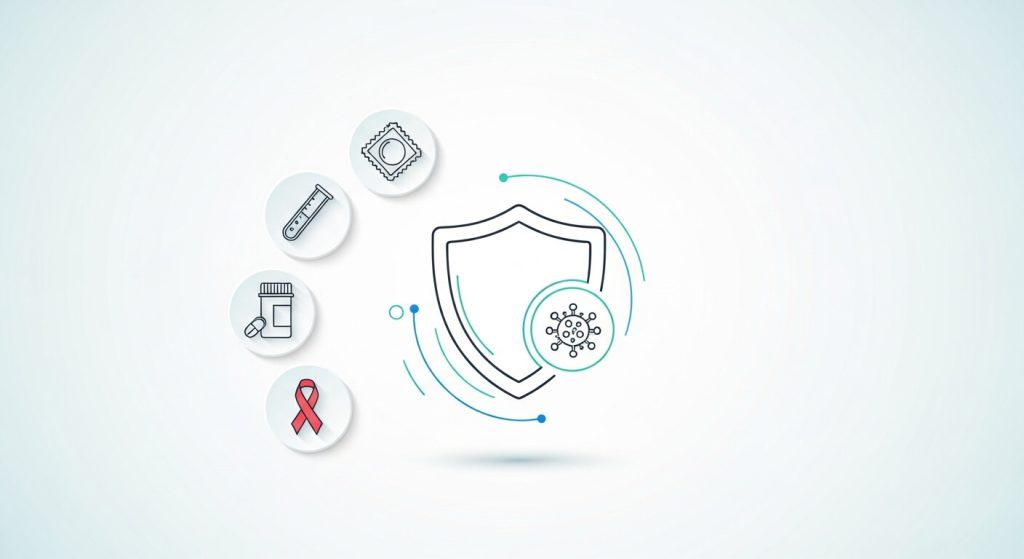
HIV spreads when specific body fluids from a person with HIV enter another person’s bloodstream. Most transmission occurs through certain sexual exposures, sharing injection equipment, or—without proper medical prevention—during pregnancy, childbirth, or breastfeeding.
Body fluids most associated with transmission
- Blood
- Semen and pre-seminal fluid
- Vaginal fluids
- Rectal fluids
- Breast milk
Common situations that increase risk
- Sex without condoms or other barriers, especially anal sex
- Having another STI (some STIs can increase vulnerability)
- Sharing needles, syringes, or other injection supplies
- Exposure to blood through non-sterile equipment (less common, but possible)
What does NOT usually spread HIV
HIV is not spread through casual contact such as hugging, sharing utensils, toilet seats, coughing/sneezing, or insect bites. Everyday interactions are not a transmission route.
Symptoms
Symptoms of hiv infection: early signs, later symptoms, and red flags
Symptoms vary widely. Some people notice signs soon after exposure, while others feel normal for a long time. That’s why testing can be important even when you feel fine.
Early (acute) symptoms that can appear within weeks
These can look like a short “flu-like” illness and may include:
- Fever or chills
- Sore throat
- Swollen lymph nodes (often in the neck)
- Rash
- Headache
- Muscle or joint aches
- Night sweats
- Diarrhea
- Mouth sores
- Fatigue
Some people have mild symptoms—or none—during this early phase, even though HIV can still be present and transmissible.
Ongoing or later symptoms (especially if untreated)
If the virus is not controlled, some people develop:
- Persistent fatigue
- Unintentional weight loss
- Ongoing diarrhea
- Recurrent infections (for example, pneumonia)
- Oral thrush (yeast infection in the mouth)
- Shingles (herpes zoster)
- Persistent fevers or night sweats
When to seek urgent evaluation
Seek urgent care if you have:
- Trouble breathing, chest pain, confusion, or severe weakness
- High fever that won’t come down, dehydration, or severe headache with stiff neck
- Severe symptoms after a possible exposure
- A recent high-risk exposure and you’re within a short window to discuss post-exposure prevention
Diagnosis
Diagnosis of hiv infection: best tests, timing, and what results mean
The only way to confirm hiv infection is with an HIV test. The best test for you can depend on how recent the exposure might have been and what options are available.
Common HIV test types (plain-language overview)
- Antigen/antibody lab tests: often detect infection earlier than antibody-only tests.
- Rapid tests: convenient and fast, but detection can take longer depending on the method.
- Nucleic acid tests (NAT): may detect the virus earlier in certain scenarios and are used when clinically appropriate.
Understanding the window period
After exposure, there can be a window period before a test turns positive. If you test very soon after a possible exposure, a repeat test may be recommended later. For practical guidance on test timing and options, see the CDC HIV testing overview.
What happens after a positive test
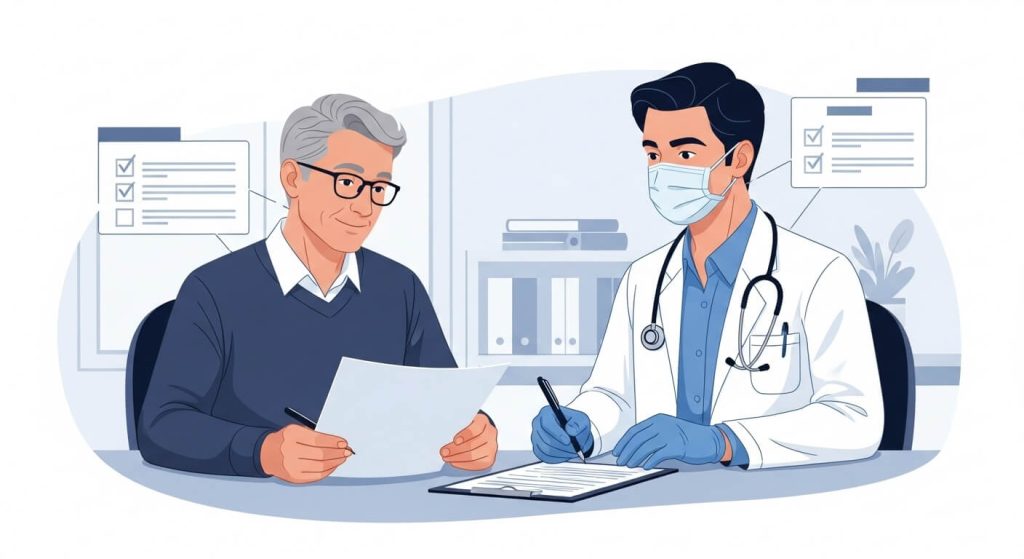
A reactive screening test is usually followed by confirmatory testing. If confirmed, clinicians often:
- Check viral load and CD4 count
- Screen for other infections that may need treatment
- Start treatment promptly and set follow-up intervals
Medications
Medications for hiv infection: ART basics, adherence, and safety considerations
The primary medical treatment for hiv infection is antiretroviral therapy (ART). ART uses a combination of medicines that block the virus from replicating. When taken consistently, ART can reduce viral load to very low levels and help protect the immune system.
Most people begin ART soon after diagnosis unless there’s a specific medical reason to wait. The best regimen depends on health history, kidney/liver function, other medications, and individual needs.
Medication categories you may hear about (high level)
- Integrase inhibitors
- NRTIs (nucleoside/nucleotide reverse transcriptase inhibitors)
- NNRTIs (non-nucleoside reverse transcriptase inhibitors)
- Protease inhibitors
- Entry/fusion inhibitors (special situations)
Why adherence matters
Consistency is one of the strongest predictors of long-term control. Missing doses frequently can allow the virus to rebound and may contribute to resistance.
Side effects and interactions
Modern ART is often well-tolerated, but side effects can occur—especially early on. Interactions can happen with:
- Other prescriptions
- Over-the-counter medicines
- Supplements (including some herbal products)
Always share a complete medication list with your clinician.
Cost and medication options
If price is a barrier, ask about assistance programs, insurance navigation, and safe lower-cost options. If you want a plain-language explanation of cost and access differences, read Generic vs. brand-name drugs: what changes and what doesn’t.
Treatments
Treatment plan for hiv infection: care beyond pills, prevention, and long-term health
Managing hiv infection is more than taking medication. A complete plan supports immune health, reduces complications, and helps you stay well over time.
Ongoing monitoring and follow-up
A typical care plan includes:
- Regular viral load testing to track suppression
- CD4 monitoring as recommended
- Screening for STIs and other infections when appropriate
- Vaccine review (prevention becomes even more important)
Prevention strategies
Depending on your situation, prevention may include:
- Barrier protection (condoms and other options)
- Testing and treatment for partners as appropriate
- Harm reduction for injection use (sterile equipment and support resources)
If you believe you had a significant exposure, urgent evaluation matters—some prevention options are time-sensitive.
Choosing safe pharmacy options (when relevant)
If you explore prescription access while traveling, prioritize licensed pharmacies and follow your clinician’s plan. For additional context, see Pharmacies in Tijuana Mexico (2025): safety and practical tips.
Living well with HIV
Many people maintain full, active lives with consistent care. Helpful supports include:
- Mental health care and peer support
- Nutrition, movement, and sleep routines that support overall health
- Reducing alcohol/drug risks that can interfere with adherence
- Working with a trusted, judgment-free care team
FAQs
FAQs about hiv infection: practical answers in plain language
Can I have HIV with no symptoms?
Yes. Many people feel completely normal for a long time. Testing is the only way to know your status after potential exposure or when routine screening is recommended.
How soon should I get tested after a possible exposure?
Timing depends on the test type and how recent the exposure was. If you test early and it’s negative, repeating the test later may be advised to account for the window period.
Does HIV always become AIDS?
No. With early diagnosis and consistent treatment, many people never develop AIDS and can maintain strong immune function.
What should I do right after a high-risk exposure?
Get medical help immediately. Some medications used to reduce the chance of infection must be started as soon as possible. Do not wait for symptoms.
Is there a cure for hiv infection?
There is currently no cure, but treatment can control hiv infection, protect the immune system, and greatly reduce the risk of serious complications.
References
References for hiv infection: where to learn more safely
For reliable, updated information, prioritize major public health institutions and clinician-reviewed resources. Start with the CDC HIV testing overview (linked above), and consult your local public health department or a clinician for personalized guidance.