
Idiopathic pulmonary fibrosis (IPF) is a long-term lung condition where the tissue in and around the air sacs becomes scarred (fibrosis) over time. As scarring builds up, lungs become stiffer and it becomes harder for oxygen to move into the bloodstream.
This page is for education only and does not replace medical care. If you have severe breathing trouble, blue lips/face, new confusion, fainting, or chest pain, seek emergency help right away.
Idiopathic Pulmonary Fibrosis Overview
Definition
Pulmonary fibrosis means lung scarring. Idiopathic pulmonary fibrosis is the term used when scarring develops and no clear cause is found after medical evaluation.
What “idiopathic” means
“Idiopathic” simply means the cause can’t be pinpointed. Many exposures, medications, and medical conditions can cause fibrosis—so clinicians often focus first on ruling out other known causes.
Why scarring matters
Scar tissue does not function like healthy lung tissue. Over time, the lungs may lose elasticity, breathing can feel more difficult, and everyday activities can become more exhausting.
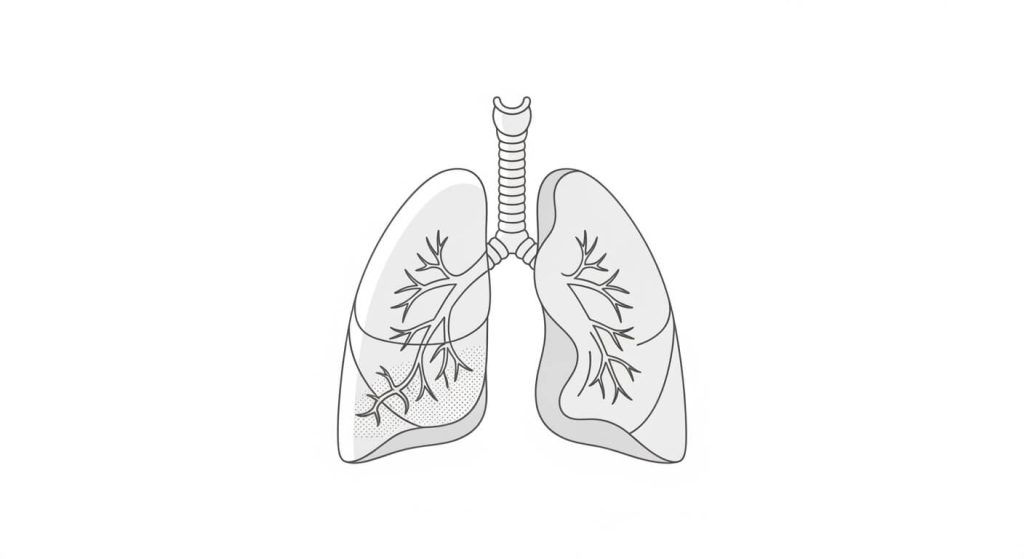
What Causes Idiopathic Pulmonary Fibrosis?
Causes
IPF is diagnosed when lung scarring is present but a specific trigger cannot be confirmed. In many people, scarring seems to develop gradually and worsens over time.
Factors clinicians often review
Even when the final label is “idiopathic,” your care team may ask about potential contributors, such as:
- Smoking history (current or past)
- Long-term exposure to dusts, fumes, mold, or other airborne irritants
- Past radiation therapy to the chest
- Medications that may affect lung tissue
- Autoimmune or connective tissue conditions (which can mimic IPF patterns)
- Acid reflux symptoms (GERD), which is common in people with IPF
Idiopathic Pulmonary Fibrosis Symptoms and Warning Signs
Symptoms
Symptoms can vary widely. Some people notice mild shortness of breath for a long time, while others worsen more quickly.
Common symptoms
- Shortness of breath, especially with activity
- Dry, persistent cough
- Fatigue or low stamina
- Unintended weight loss
- Aching muscles or joints
- Widening/rounding of fingertips or toes (clubbing)
When symptoms suddenly get worse
Some people with IPF develop a rapid worsening of breathlessness over days to weeks. This can be serious and needs urgent evaluation—especially if it follows a respiratory infection or happens without a clear reason.
How Idiopathic Pulmonary Fibrosis Is Diagnosed
Diagnosis
Diagnosis usually involves combining symptoms, imaging, breathing tests, and a careful review of possible causes of lung scarring.
Common steps in evaluation
- Medical history and exposure review (work, home, smoking, medications)
- Physical exam (listening for lung sounds such as “Velcro-like” crackles)
- Imaging, often a high-resolution CT (HRCT) scan to look for scarring patterns
- Pulmonary function tests to measure lung capacity and oxygen transfer
- Oxygen assessment, including walking tests (to see if oxygen drops with activity)
- Blood work to look for autoimmune signals if suspected
- In select cases: bronchoscopy or lung biopsy, depending on imaging and clinical uncertainty
Because patterns can overlap with other lung diseases, some people benefit from a multidisciplinary review (pulmonology, radiology, pathology).
Idiopathic Pulmonary Fibrosis Medications
Medications
Medications for IPF are typically aimed at slowing disease progression, reducing symptom burden, and managing related conditions.
Categories your clinician may discuss
- Anti-fibrotic therapy (medicines designed to slow scar formation)
- Cough and symptom support (when appropriate)
- Reflux management if GERD is present
- Vaccinations and infection prevention strategies, since respiratory infections can be especially risky
- Oxygen prescriptions if blood oxygen levels are low (oxygen is a therapy, but often coordinated like a “medication plan”)
Medication choices are individualized based on lung function, side effects, other conditions, and overall goals of care.
Idiopathic Pulmonary Fibrosis Treatment Options
Treatments
Treatment plans often combine medication, supportive therapy, monitoring, and lifestyle adjustments.
Common parts of a long-term plan
- Pulmonary rehabilitation (supervised exercise + breathing strategies)
- Supplemental oxygen if needed at rest or with activity
- Activity pacing and energy conservation techniques
- Smoking cessation and avoidance of lung irritants
- Nutrition and strength support to reduce deconditioning
- Regular follow-up to track symptoms, oxygen needs, and lung function trends
Lung transplant evaluation (for some patients)
A lung transplant may be considered for selected people based on age, overall health, severity, and progression. Early discussion can be helpful because the evaluation process takes time.
Practical note for prescriptions and affordability
If you already have a clinician-guided plan and valid prescriptions, some people explore cost-saving options for long-term therapy. If cross-border pharmacy research is part of your planning, start with our Certified Medical Tourism Professional guide and our overview of Pharmacies in Tijuana (2025) to understand safety steps and verification.
Idiopathic Pulmonary Fibrosis FAQs
FAQs
Can idiopathic pulmonary fibrosis be cured?
There isn’t a permanent cure for IPF. Many treatment plans focus on slowing progression, improving breathing comfort, and supporting daily function. In selected cases, lung transplant may be an option.
Is IPF the same as COPD or asthma?
No. COPD and asthma involve airflow limitation and inflammation in different ways. IPF involves scarring and stiffness in lung tissue, which affects oxygen transfer and lung expansion.
Does oxygen therapy mean the condition is “end-stage”?
Not necessarily. Some people need oxygen only with activity or sleep, while others need it more often. Oxygen is used to protect organs from low oxygen levels and to improve comfort and stamina.
What should I do if shortness of breath worsens quickly?
A rapid change over days to weeks can be serious. Contact your medical team urgently or seek emergency evaluation—especially if you have fever, chest pain, confusion, or very low oxygen readings.
Can lifestyle changes make a difference?
They can help support quality of life. Avoiding smoke and irritants, staying active with guidance, optimizing sleep and nutrition, and preventing infections can all be meaningful alongside medical care.