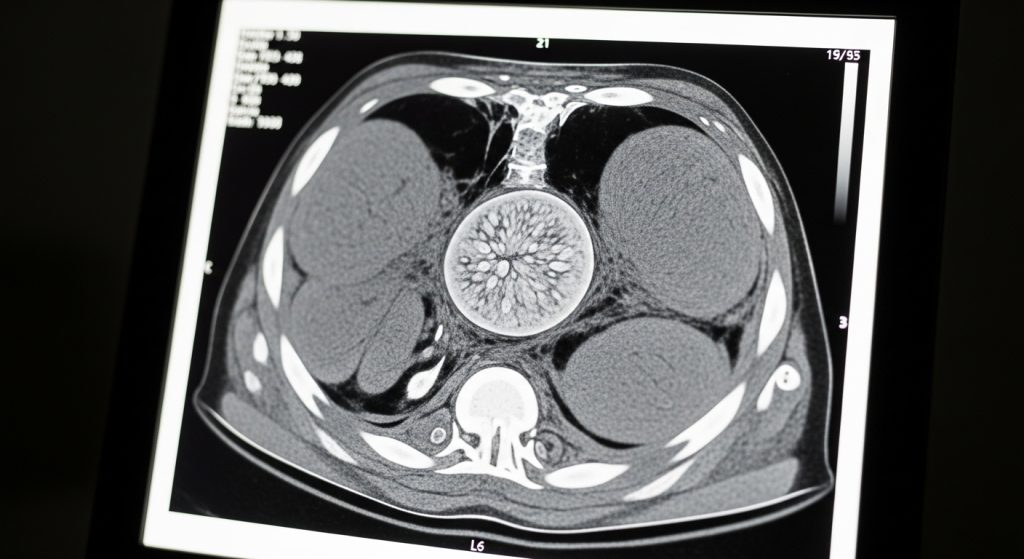



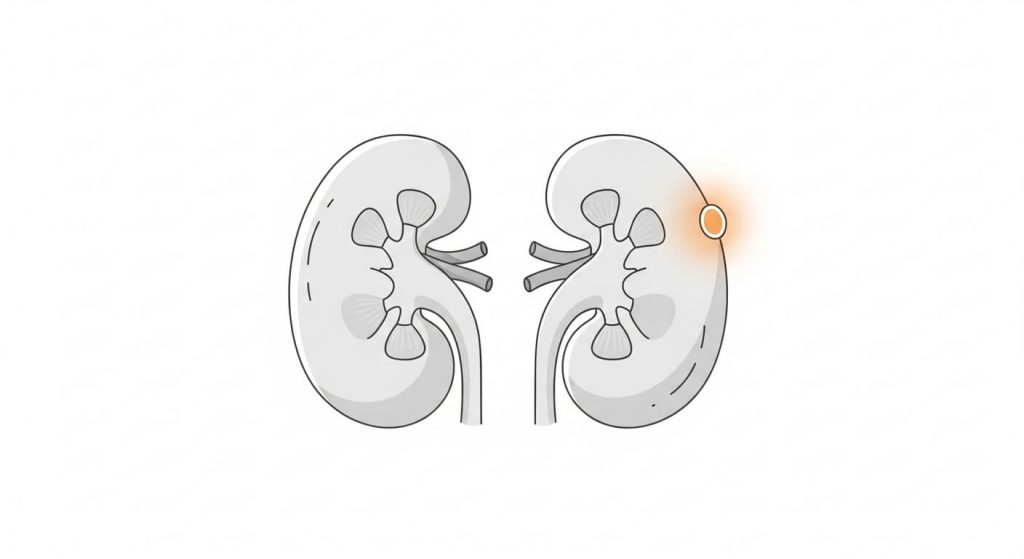
Kidney cancer is a growth of abnormal cells that begins in the kidneys—two bean-shaped organs that filter blood and help regulate fluid balance and blood pressure. In adults, the most common form is renal cell carcinoma, which starts in the lining of tiny kidney tubules.
Educational note: This page is for general information only and does not replace medical care. If you have severe pain, heavy bleeding, fainting, or you can’t urinate, seek urgent medical evaluation.
Kidney Cancer Overview
Definition
Kidney cancer starts when cells in the kidney develop DNA changes that disrupt normal growth control. Over time, these abnormal cells can multiply, form a tumor, and in some cases spread beyond the kidney (metastatic disease). Kidney tumors may be found incidentally during imaging for another issue, especially when they are still small.
Kidney Cancer Causes and Risk Factors
Causes
In many cases, the exact cause of kidney cancer isn’t known. What is understood is that DNA changes inside kidney cells can lead to uncontrolled growth. These changes may occur over time, influenced by health factors and exposures, and rarely may be linked to inherited genetic conditions.
Common risk-related patterns clinicians consider include:
- Older age
- Smoking (risk tends to decrease after quitting)
- Obesity
- High blood pressure
- Certain inherited syndromes (in a smaller number of cases)
- Family history of kidney cancer in some families
Signs and Symptoms of Kidney Cancer
Symptoms
Kidney cancer may not cause symptoms at first. When symptoms appear, they can include:
- Blood in the urine (may look pink, red, or cola-colored)
- Pain in the side or back that doesn’t go away
- Unexplained weight loss
- Loss of appetite
- Ongoing tiredness
When to seek medical evaluation
- Make an appointment if you notice blood in urine, persistent flank/back pain, or unexplained weight loss.
- Seek urgent care for heavy bleeding, severe pain, fainting, confusion, or an inability to urinate.
How Kidney Cancer Is Diagnosed
Diagnosis
Diagnosis usually combines clinical evaluation with imaging and, in some cases, tissue testing. The exact workup depends on symptoms, imaging findings, and overall health.
H4: Medical history and physical exam
A clinician reviews symptoms (especially blood in urine or flank pain), risk factors, and personal/family history.
H4: Imaging tests (often the key first step)
Common tests include:
- Ultrasound (may detect a mass)
- CT scan (often used to characterize kidney masses)
- MRI (helpful in certain situations, including contrast concerns)
Imaging helps determine size, location, and whether the mass looks suspicious.
H4: Lab tests
Blood and urine tests don’t diagnose kidney cancer by themselves, but they can help assess kidney function, anemia, or other issues that affect planning.
H4: Biopsy (selected cases)
A biopsy may be recommended when imaging is unclear, when treatment decisions depend on confirming the tumor type, or when metastatic disease is suspected and tissue confirmation is needed.
H4: Staging
If cancer is confirmed, staging describes how far it has spread (kidney only vs. lymph nodes vs. distant organs). Staging helps guide treatment options and follow-up.
For a patient-friendly overview from a U.S. government source, see Kidney (Renal Cell) Cancer—Patient Version (NCI).
Kidney Cancer Medications and Supportive Care
Medications
Medication choices depend on the cancer type, stage, and treatment plan created by an oncology team. Not everyone needs systemic medications—some tumors are treated primarily with procedures or surgery.
Medication categories that may be used in kidney cancer care include:
- Targeted therapies (aimed at specific cancer growth pathways)
- Immunotherapy (supports the immune system’s ability to recognize cancer cells)
- Supportive medications to manage symptoms and side effects (pain control, nausea support, anemia management, etc.)
Important: Only a licensed medical team can determine which medicines are appropriate, their timing, and how to monitor safety—especially because kidney function can affect medication choices.
Kidney Cancer Treatments and Follow-up
Treatments
Treatment depends on tumor size, location, stage, and personal health priorities. A care plan may include one or more of the options below.
H4: Active surveillance (selected small tumors)
Some small kidney masses grow slowly. In certain cases, clinicians may recommend close monitoring with scheduled imaging rather than immediate treatment.
H4: Surgery (common for localized disease)
- Partial nephrectomy: removes the tumor while preserving as much kidney as possible
- Radical nephrectomy: removes the entire kidney in certain situations
H4: Ablation procedures (selected cases)
For some small tumors or patients who aren’t good surgical candidates, techniques like freezing (cryoablation) or heat-based ablation may be considered.
H4: Radiation therapy and procedures for symptoms
Radiation is not always a primary treatment for kidney tumors, but it may be used for symptom relief in certain metastatic situations.
H4: Systemic therapy for advanced disease
If cancer has spread, clinicians may use targeted therapy, immunotherapy, or combinations based on tumor features and patient factors. Clinical trials may also be an option.
Practical note for planning and prescriptions
If you already have a clinician-guided plan and valid prescriptions, some people explore structured, safety-first affordability planning. Start with our Certified Medical Tourism Professional guide and our overview of Pharmacies in Tijuana (2025).
Common Questions About Kidney Cancer
FAQs
How do I know if I have kidney cancer?
Many people don’t have symptoms early on. Blood in the urine or persistent side/back pain are common reasons people seek evaluation, but these symptoms can also come from non-cancer causes. Imaging (often CT or MRI) is typically what identifies a suspicious mass.
Is kidney cancer always aggressive?
No. Some kidney tumors grow slowly and may be monitored closely in selected cases. Others can be more aggressive. Tumor size, imaging features, and staging help clinicians estimate behavior and plan treatment.
Do all kidney tumors require surgery?
Not always. Some small masses may be monitored (active surveillance), and some may be treated with ablation depending on size, location, and patient health. Surgery is common for localized tumors, but it isn’t the only approach.
If kidney cancer spreads, is treatment still possible?
Yes. Even when kidney cancer is advanced, treatment can often slow progression, reduce symptoms, and support quality of life. Options may include targeted therapy, immunotherapy, procedures for specific areas of spread, and clinical trials.
What should I do if I have blood in my urine?
Blood in urine should be evaluated promptly by a licensed clinician. It can be caused by infections, stones, prostate issues, or other conditions—so it’s important not to assume the cause without testing.
References
References
- National Cancer Institute (NCI): Kidney (Renal Cell) Cancer—Patient Version