


Lung cancer is a type of cancer that starts in the lungs—two spongy organs in the chest that help you breathe. Some cases are found later because symptoms may be mild or absent early on, which is why risk awareness and timely evaluation matter.
Educational note: This page is for general information only and does not replace medical advice. If you have severe trouble breathing, chest pain, coughing up significant blood, confusion, or sudden weakness, seek emergency care.
Overview and key facts
Definition
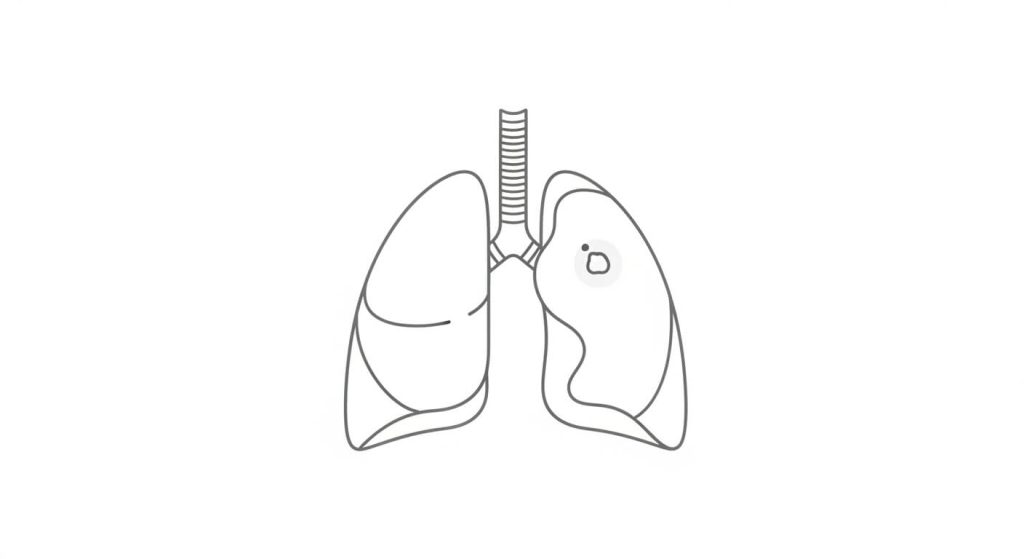
Lung cancer begins when cells in the lungs develop DNA changes that make them grow out of control. Over time, these abnormal cells can form a mass (tumor), invade nearby tissue, and sometimes spread to other parts of the body (metastasis).
A key challenge is that early lung cancer may not cause noticeable symptoms, so people may not realize something is wrong until the disease is more advanced.
Main types
- Non-small cell lung cancer (NSCLC): The more common category overall, including several subtypes.
- Small cell lung cancer (SCLC): Less common and often linked to a long history of heavy smoking.
Causes and risk factors
Causes
It isn’t always clear what causes cancer in a specific person. What’s known is that it develops when lung cells get DNA changes that disrupt normal growth control and allow abnormal cells to multiply.
Smoking is strongly linked to lung cancer, but the disease can also occur in people who have never smoked.
Risk factors that can increase risk
- Smoking
- Secondhand smoke exposure
- Radon exposure
- Workplace exposure to carcinogens (for example, asbestos and other substances)
- Prior chest radiation for another cancer in some cases
- Family history of lung cancer
Symptoms and warning signs
Symptoms
Symptoms of lung cancer often don’t appear early. When symptoms show up, they may involve the lungs directly or reflect spread to other parts of the body.
Possible symptoms in or around the lungs
- A new cough that doesn’t go away
- Chest pain
- Coughing up blood (even a small amount)
- Hoarseness or voice changes
- Shortness of breath
- Wheezing
Possible symptoms when lung cancer spreads
- Bone pain
- Headache
- Unintended weight loss
- Loss of appetite
- Swelling in the face or neck
When to seek care
- Make an appointment if symptoms persist, worsen, or concern you—especially if you have major risk factors.
- Seek urgent evaluation for significant coughing up blood, severe breathing difficulty, or rapidly worsening symptoms.
How it’s diagnosed and staged
Diagnosis
Diagnosing lung cancer usually involves a combination of clinical history, imaging, and (when needed) tissue testing. The goal is to confirm whether cancer is present, identify the type, and determine the stage.
Common evaluation steps
- Medical history and physical exam: Symptoms, smoking history, environmental/work exposures, and overall health.
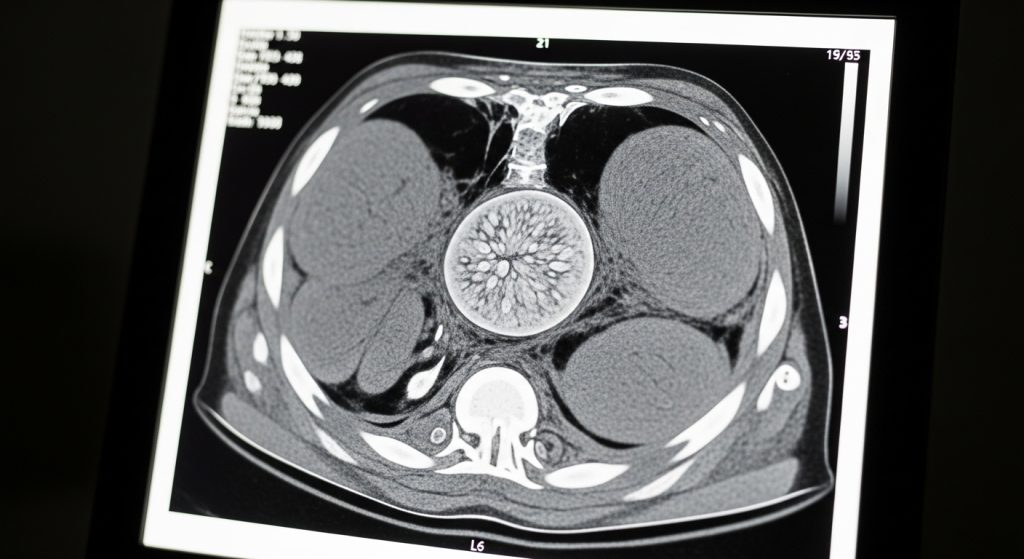
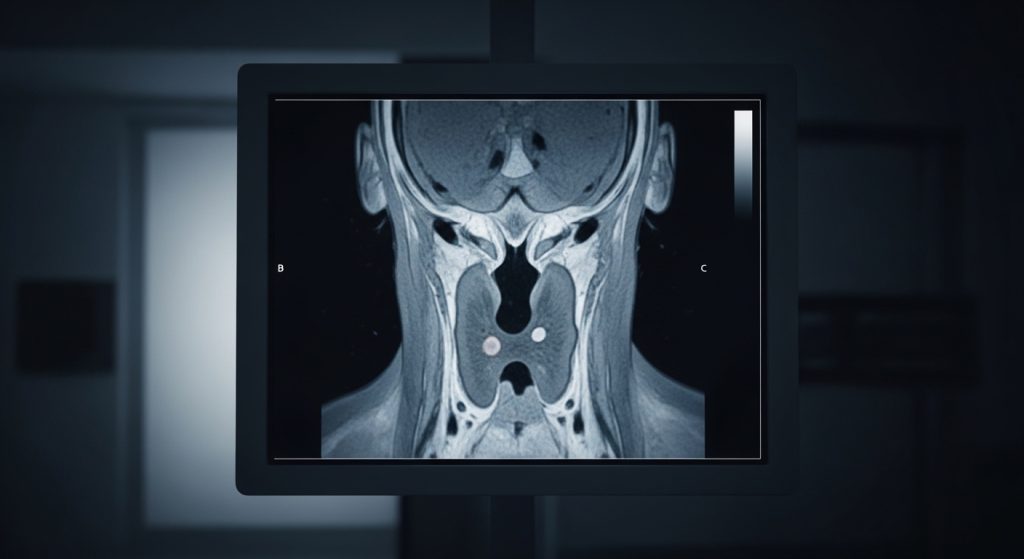
- Imaging: Chest X-ray and/or CT scans may be used to detect suspicious findings and define location/size.
- Biopsy (tissue sampling): Often needed to confirm cancer and identify the cell type.
- Staging tests: If lung cancer is suspected, additional testing may be used to see if it has spread (for example to lymph nodes, brain, bones, or other areas). Staging helps guide treatment planning.
Medicines used in care
Medications
Medications for lung cancer depend on the type, stage, and sometimes tumor biology. A licensed oncology team decides what fits your specific situation.
Common medication categories
- Chemotherapy
- Targeted therapy (used in selected cases, often guided by tumor testing)
- Immunotherapy (used in certain cases depending on tumor features and stage)
- Supportive medicines to manage symptoms and side effects (such as nausea or pain), guided by your care team
If you’re comparing affordability options for ongoing prescriptions related to care, keep safety and verification first: see our Certified Medical Tourism Professional guide for a step-by-step framework.
Treatment options and follow-up
Treatments
Treatment for lung cancer depends on the cell type, stage, and overall health. Some people with earlier-stage disease may be candidates for surgery, while others may need radiation and/or systemic therapy.
Common treatment options
- Surgery (often for certain early-stage non-small cell cases)
- Radiation therapy
- Systemic therapy (which may include chemotherapy, targeted therapy, and/or immunotherapy)
- Supportive care to manage symptoms and maintain quality of life
Risk reduction (prevention-focused steps)
While there’s no guaranteed way to prevent this disease, risk can be reduced by:
- Not smoking (and quitting if you do smoke)
- Avoiding secondhand smoke when possible
- Testing homes for radon and fixing high levels
- Using protective measures at work when around carcinogens
If cross-border pharmacy research is part of your planning, start with Pharmacies in Tijuana (2025) to understand what people typically look for when evaluating safety.
Common questions
FAQs
How do I know if I have it?
You can’t confirm it from symptoms alone. Many warning signs overlap with infections or other lung conditions. A clinician typically uses imaging and, if needed, a biopsy to confirm the diagnosis.
Does it always cause symptoms early?
No. It can be silent early on, which is why people at higher risk should discuss screening and evaluation options with a clinician.
What’s the difference between small cell and non-small cell types?
They’re the two main categories based on how the cells look under a microscope. Treatment plans and expected behavior can differ, so the distinction matters.
If I smoked for years, does quitting still help?
Yes. Quitting lowers risk over time and can still provide meaningful health benefits—even after many years of smoking.
Can people who never smoked get this cancer?
Yes. It can occur without smoking history. Other factors (like radon, workplace exposures, or genetics) may play a role, and sometimes there’s no single clear cause.