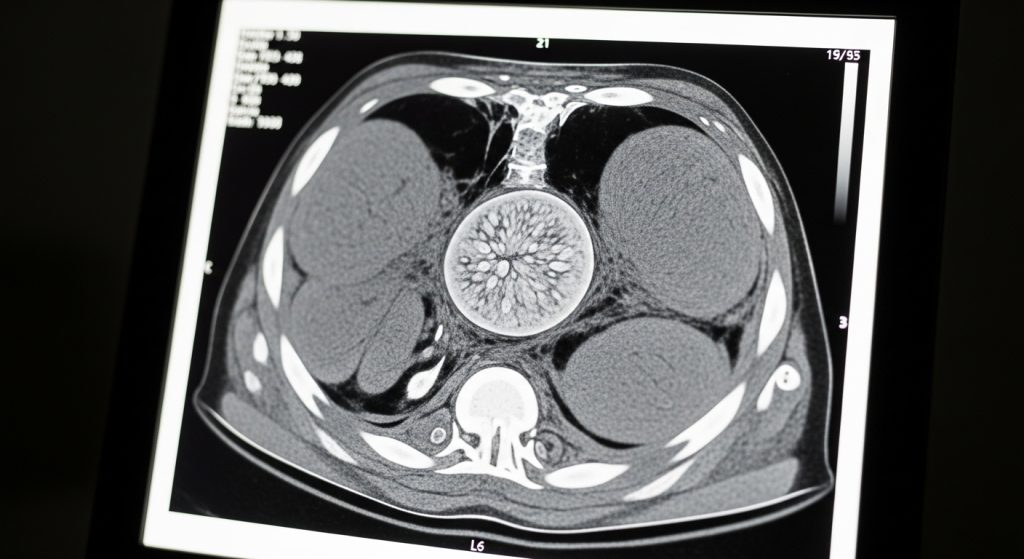



Multiple Myeloma overview
Definition
Multiple Myeloma is a cancer that forms in plasma cells, a type of white blood cell that normally helps protect you from infections. Healthy plasma cells make antibodies that identify and fight germs.
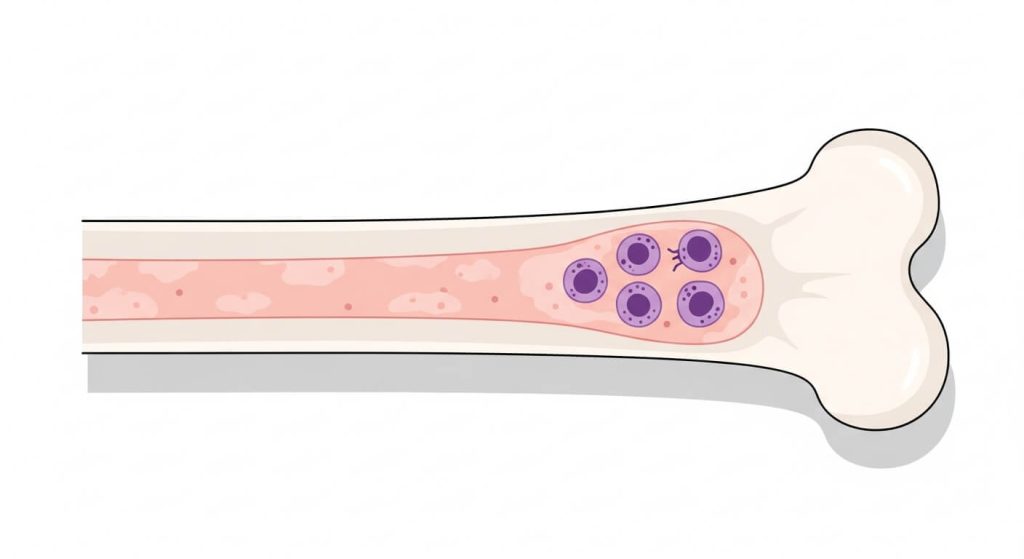
In Multiple Myeloma, abnormal plasma cells collect inside the bone marrow (the soft tissue in the center of many bones where blood cells are made). As the cancer cells build up, they can crowd out healthy blood-forming cells and reduce normal immune function. They may also produce abnormal proteins (often called “M proteins”) that don’t work like normal antibodies and can contribute to complications.
In some cases, Multiple Myeloma grows slowly and may not cause symptoms right away. When the condition is stable and not causing damage, clinicians may recommend close monitoring before starting treatment.
Why Multiple Myeloma happens
Causes
The exact cause of Multiple Myeloma isn’t always known. In many cases, it begins when a single plasma cell in the bone marrow develops DNA changes that alter normal growth signals. That abnormal cell can multiply and create more myeloma cells over time.
As Multiple Myeloma progresses, the buildup of cancer cells can:
- Crowd out healthy blood cells (contributing to fatigue, infections, and anemia)
- Weaken bones and increase fracture risk
- Increase levels of abnormal proteins that can affect organs (including the kidneys)
A common starting point: MGUS
Multiple Myeloma often develops from an earlier condition called MGUS (monoclonal gammopathy of undetermined significance). In MGUS, low levels of abnormal protein may be present without organ damage. Not everyone with MGUS develops Multiple Myeloma, but MGUS does increase risk over time.
Signs and symptoms of Multiple Myeloma
Symptoms
Early Multiple Myeloma may cause no symptoms. When symptoms appear, they often relate to bone health, blood counts, or the effects of abnormal proteins.
Common symptoms
- Bone pain, often in the spine, ribs, chest, or hips
- Fatigue and low energy
- Frequent infections
- Unintended weight loss
- Nausea or reduced appetite
- Constipation
- Mental fogginess or confusion
- Weakness
- Increased thirst and urinating more often
When to seek medical care
Make an appointment with a licensed clinician if you have persistent bone pain, repeated infections, unusual fatigue, or other symptoms that worry you—especially if they don’t improve.
Seek urgent care if you have severe dehydration, confusion that is rapidly worsening, sudden weakness, or severe pain that could suggest a fracture or other serious complication.
How Multiple Myeloma is diagnosed
Diagnosis
Multiple Myeloma is diagnosed using a combination of lab testing, imaging, and often a bone marrow evaluation. The goal is to confirm the diagnosis, understand how active the disease is, and check whether it’s causing organ or bone damage.
Common tests clinicians may use
- Blood tests to look for abnormal proteins (including “M protein”), assess kidney function, calcium levels, and blood counts
- Urine tests to check for abnormal proteins that can pass into urine
- Bone marrow testing (often a biopsy/aspirate) to measure the amount of abnormal plasma cells
- Imaging to look for bone damage or related changes (the imaging choice depends on your situation)
What clinicians evaluate
Diagnosis discussions often focus on whether there is evidence of:
- Bone involvement (pain, lesions, fractures)
- Kidney strain or reduced function
- Low blood counts (such as anemia)
- High calcium levels or other complications
Because test interpretation can be complex, results should be reviewed with a qualified medical team.
Medications used in Multiple Myeloma care
Medications
Medication plans are individualized and depend on how active the disease is, a person’s overall health, and treatment goals. Only a licensed oncology team can recommend specific drugs and combinations.
Common medication categories may include:
- Anti-myeloma therapies (often combination regimens selected by specialists)
- Steroids used as part of clinician-guided treatment plans
- Supportive medications to reduce complications, such as therapies that help protect bone health in some patients
- Infection prevention or treatment medicines when clinically appropriate
- Medications to manage side effects (nausea, constipation, pain, and others)
If you already have valid prescriptions and are planning how to access medications safely, it helps to understand the basics of pricing and substitutions—see our internal guide on Generic vs Brand-Name Drugs: Key Differences/.
Treatment options and follow-up
Treatments
Treatment timing and intensity vary. Some people with slow-growing disease may start with monitoring, while others need treatment to control progression and prevent complications.
Common treatment approaches
- Active monitoring (watchful waiting) when the condition is stable and not causing damage
- Combination therapy plans designed to control Multiple Myeloma and reduce abnormal plasma cells
- Stem cell transplant approaches (in selected patients) as part of an overall strategy
- Radiation therapy in specific situations (for example, focused pain control or localized bone issues)
- Supportive care to protect bone strength, manage anemia, reduce infection risk, and support kidney health
Practical note for planning and prescriptions
If you’re managing ongoing care and already have a clinician-directed plan, safety-first planning matters—especially if you’re comparing affordability options. Start with a structured approach in our Certified Medical Tourism Professional guide.
Multiple Myeloma FAQs
FAQs
Can Multiple Myeloma be cured?
Multiple Myeloma is often treatable, and many people reach long periods of control (remission). Whether it’s considered “curable” depends on individual disease features and response to therapy—your specialist can explain what’s realistic in your case.
What’s the difference between MGUS, smoldering myeloma, and Multiple Myeloma?
MGUS involves low-level abnormal protein without organ damage. Smoldering myeloma is a higher-risk stage with more abnormal cells or protein but still without defining organ damage. Multiple Myeloma is diagnosed when disease activity is causing—or is highly likely to cause—harm such as bone, kidney, or blood problems.
Why does Multiple Myeloma affect bones?
Abnormal plasma cells can disrupt normal bone remodeling, increasing bone breakdown and weakening structure. That’s why bone pain and fractures can be key symptoms.
What symptoms should I take seriously right away?
Severe bone pain, new weakness, confusion, signs of dehydration, or symptoms suggesting a fracture should be evaluated urgently. Persistent infections, worsening fatigue, and ongoing unexplained pain also warrant prompt medical attention.
Does Multiple Myeloma always need treatment immediately?
Not always. If Multiple Myeloma is slow-growing and not causing damage, clinicians may recommend close monitoring first. Treatment decisions are based on labs, imaging, symptoms, and organ impact.