
Understanding Multiple Sclerosis
Definition
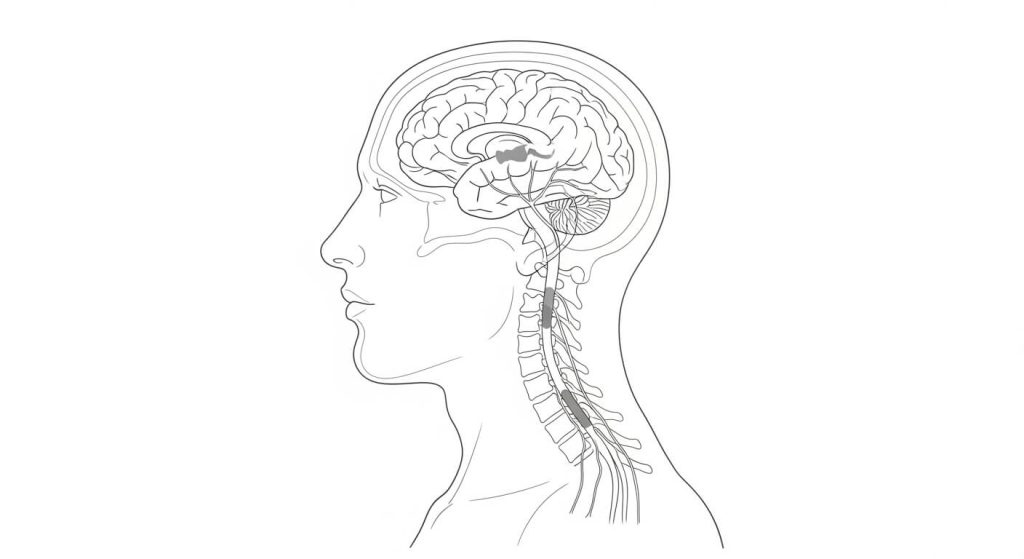
Multiple Sclerosis (MS) is a disease of the brain and spinal cord that can disrupt how nerves communicate. In Multiple Sclerosis, the immune system attacks the protective covering around nerve fibers (myelin). When myelin is damaged, signals between the brain and the rest of the body can slow down or become interrupted.
Multiple Sclerosis can look very different from person to person. Some people have mild symptoms that come and go, while others develop progressive limitations over time. There is no cure for Multiple Sclerosis, but many people benefit from long-term treatment and follow-up care.
Types of Multiple Sclerosis (common clinical patterns)
- Relapsing-remitting MS (RRMS): Episodes of new or worse symptoms (relapses) followed by partial or full recovery (remission).
- Secondary-progressive MS (SPMS): A gradual worsening over time that can happen after RRMS.
- Primary-progressive MS (PPMS): Steady progression from the beginning, without clear relapses.
- Clinically isolated syndrome (CIS): A first neurological episode that may or may not later meet criteria for MS.
- Radiologically isolated syndrome (RIS): MRI findings suggestive of MS without typical symptoms.
Causes
There isn’t one single confirmed cause of Multiple Sclerosis. Most evidence points to a combination of factors, including immune system dysfunction, genetic susceptibility, and environmental influences that are still being studied.
In MS, immune activity can damage myelin and trigger inflammation in the nervous system. Over time, this may lead to lasting nerve fiber injury in some people.
Symptoms
Multiple Sclerosis symptoms depend on which nerve pathways are affected and how much inflammation is present. Symptoms may come and go, and some people experience relapses while others have more steady progression.
Common Multiple Sclerosis symptoms can include:
- Numbness or tingling
- Weakness
- Trouble with coordination or balance
- Trouble walking (or inability to walk in more severe cases)
- Vision changes (blurred vision, double vision, or vision loss—often in one eye)
- Dizziness or vertigo
- Fatigue
- Bladder, bowel, or sexual function changes
- Slurred speech
- Changes in memory, thinking, or information processing
- Mood changes
When to seek medical evaluation
Make an appointment with a licensed clinician if you have neurological symptoms that worry you—especially if they are new, persistent, or worsening. If symptoms are sudden and severe (for example, significant weakness, new vision loss, or inability to walk), seek urgent care.
Diagnosis
There is no single test that confirms Multiple Sclerosis by itself. Diagnosis usually involves a combination of your symptoms, medical history, neurological exam findings, and imaging—most commonly MRI of the brain and/or spinal cord.
Clinicians also consider other conditions that can mimic MS, so additional testing may be recommended to support the diagnosis and rule out other causes.
Medications
Medication choices for Multiple Sclerosis depend on the MS pattern, symptom severity, relapse history, and individual risk factors. In general, a clinician may discuss:
- Relapse treatment to reduce inflammation and support recovery during a flare
- Disease-modifying therapies (DMTs) to reduce future disease activity in certain MS types
- Symptom-focused medications based on the person’s specific needs (mobility, spasticity, pain, mood, bladder issues, fatigue, etc.)
If walking difficulty is part of your MS care plan, you may find our overview of Ampyra helpful for general education and planning.
Treatments
Multiple Sclerosis treatment often combines medications with supportive therapies that help protect daily function and quality of life.
A long-term plan may include:
- Physical therapy to improve strength, balance, gait, and safety
- Occupational therapy to support daily routines and reduce strain
- Rehabilitation supports for speech, swallowing, or cognition when needed
- Lifestyle supports such as sleep protection, stress management, and activity pacing
If you’re managing ongoing prescriptions and exploring affordability options, a safety-first framework matters—our Certified Medical Tourism Professional guide explains what a structured process can look like.
FAQs
What are common early symptoms of Multiple Sclerosis?
Early symptoms often include numbness or tingling, vision changes, fatigue, balance problems, and weakness. Symptoms vary widely, and other conditions can cause similar issues.
How do doctors confirm Multiple Sclerosis?
Clinicians typically combine your history, neurological exam, and MRI findings. Because MS can resemble other conditions, additional testing may be used to rule out other causes.
Is Multiple Sclerosis curable?
There is no cure, but many people manage Multiple Sclerosis with treatment plans that reduce relapses, address symptoms, and support long-term function.
Can Multiple Sclerosis be mild?
Yes. Some people have mild symptoms with long periods of stability, while others experience more progression. The course varies by MS type and individual factors.
When should I seek urgent care for possible MS symptoms?
Seek urgent evaluation for sudden severe weakness, loss of vision, inability to walk, confusion, or rapidly worsening symptoms.