

Psoriasis overview
Psoriasis is a chronic skin condition that can cause itchy, scaly patches—most commonly on the knees, elbows, trunk, and scalp. For some people it’s mainly a skin issue; for others, flare-ups can disrupt sleep, make it harder to focus, and affect confidence and daily routines.
There isn’t a permanent cure, but many treatments can help control symptoms and reduce the frequency and intensity of flares. Daily habits and trigger awareness can also make a meaningful difference.
Definition
What is psoriasis?
This condition is often described as immune-mediated, meaning immune signaling contributes to faster skin-cell turnover. When cells build up too quickly, thicker areas of scale and irritation can develop (often called plaques), with color that may look different across skin tones. It’s also important to know it is not contagious.
Some people have symptoms on and off for years, while others notice more frequent flare cycles. Triggers matter, especially if you have a genetic predisposition.
Causes
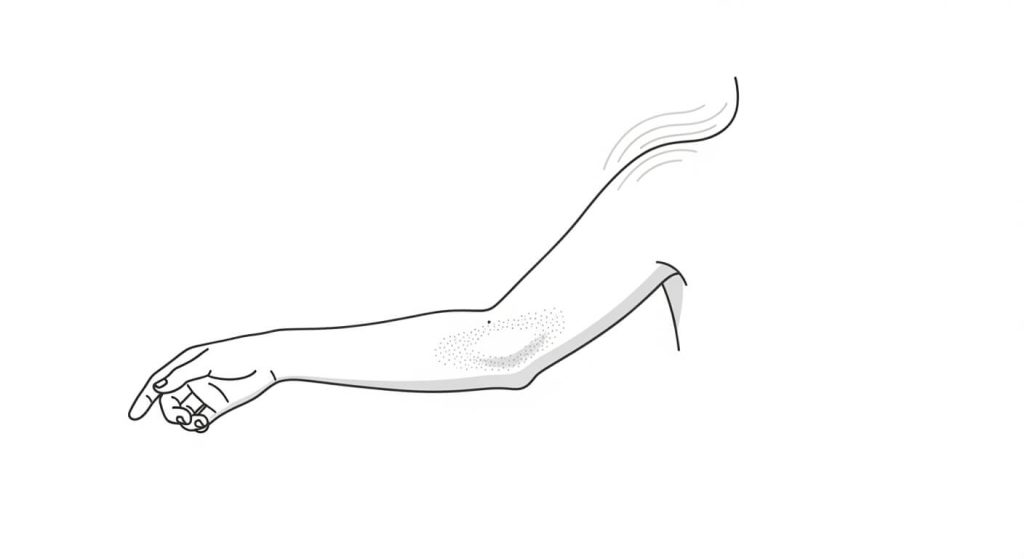
The exact cause isn’t fully understood, but most explanations involve immune system activity plus genetics. In many cases, immune signaling leads skin cells to build up faster than usual, creating visible plaques and scale.
Common triggers
If you’re predisposed, flare-ups may be triggered by:
- Infections (including strep throat or certain skin infections)
- Cold, dry weather
- Skin injury (cuts, scrapes, bug bites, severe sunburn)
- Smoking and secondhand smoke exposure
- Heavy alcohol use
- Certain medications (for example, lithium and some blood pressure medicines)
- Rapid withdrawal of oral or injected corticosteroids
Symptoms
Symptoms can vary widely from person to person. Common signs include:
- A patchy rash that ranges from mild dandruff-like scaling to widespread plaques
- Dry, cracked skin that may bleed
- Itching, burning, or soreness
- Cycles of flares that last weeks or months, followed by improvement for a period of time
- Color variation across skin tones (plaques and scale may appear pink/red, purple/brown, and scale can look silvery or gray)
Types of psoriasis
There are several forms, and the pattern can influence treatment choices:
- Plaque type: the most common form; raised, dry, itchy patches with scale (often elbows, knees, scalp, and lower back)
- Nail involvement: pitting, discoloration, thickening, or nails lifting from the nail bed (can resemble a fungal nail problem)
- Guttate type: small, drop-like scaling spots, more common in children and young adults, sometimes after infections like strep throat
- Inverse type: smooth, inflamed patches in skin folds that can worsen with friction and sweating
- Pustular type: uncommon; pus-filled blisters that may be localized (palms/soles) or more widespread
- Erythrodermic type: rare but serious; widespread redness/peeling that can itch or burn intensely
When to see a doctor
If you suspect you may have psoriasis, see a healthcare professional—especially if your symptoms:
- Become severe or widespread
- Cause significant discomfort, pain, or sleep disruption
- Don’t improve with treatment
- Raise concerns about appearance or mental well-being
Seek urgent care if you have extensive rash with severe burning, fever, or rapidly worsening symptoms.
Diagnosis
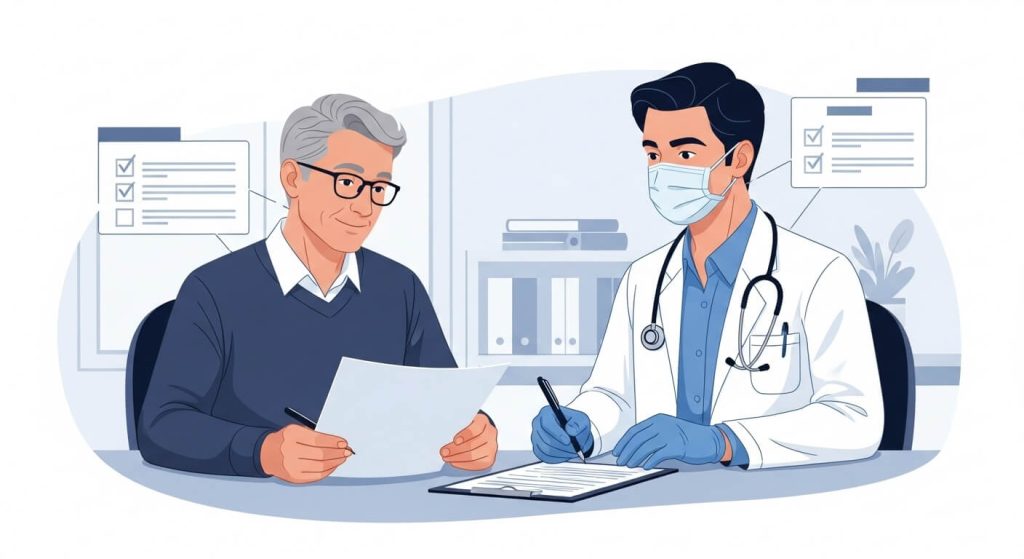
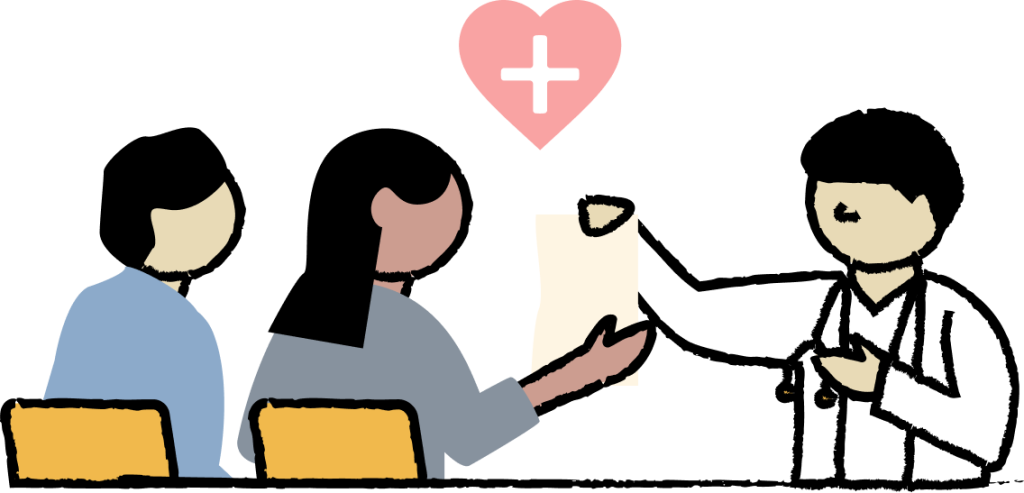
Diagnosis is made by a licensed clinician based on your history and a skin exam. In some cases, a clinician may recommend additional testing to confirm the diagnosis or rule out other conditions that can look similar.
Diagnosis commonly involves:
- Reviewing symptom pattern and flare history (including triggers and family history)
- Skin and nail exam (and scalp or skin-fold exam when relevant)
- Considering psoriatic arthritis symptoms (joint pain/stiffness/swelling) if present
- Sometimes a skin sample (biopsy) if the diagnosis isn’t clear
Medications
Medication choices depend on severity, affected areas (scalp, nails, skin folds), and how much symptoms affect daily life. A licensed clinician may recommend topical therapies, light-based therapies, and/or prescription medications.
Do not start, stop, or change medications without medical guidance.
Treatments
Treatment and daily management
Treatment is personalized and depends on severity, location (scalp vs. body vs. nails), and how much symptoms affect daily life. Options may include topical therapies, light-based therapies, and prescription medications chosen by a licensed clinician. Gentle skin care, identifying triggers, and supporting sleep and stress management can also help reduce flares.
This page is for education only and does not replace medical advice. Always talk with a qualified clinician for diagnosis and treatment decisions.
FAQs
Is psoriasis contagious?
No. Psoriasis is not contagious. You can’t catch it from another person or spread it through contact.
What triggers a flare?
Triggers vary, but common ones include infections, cold/dry weather, skin injury, smoking, heavy alcohol use, certain medications, and rapid withdrawal of corticosteroids.
How do I know if I might have psoriatic arthritis?
If you have psoriasis and develop joint pain, stiffness, swelling, swollen fingers/toes, heel pain, or persistent lower-back stiffness, ask a clinician about evaluation for psoriatic arthritis.
Can psoriasis affect nails and scalp?
Yes. Psoriasis can involve nails (pitting, thickening, lifting) and scalp (scaling and irritation). Location often influences treatment choices.
When should I seek urgent care?
Seek urgent care for extensive rash with severe burning, fever, or rapidly worsening symptoms.