

Schizophrenia overview
Schizophrenia is a serious mental health condition that affects how a person thinks, feels, and behaves. It can involve a combination of hallucinations, delusions, and disorganized thinking or behavior. Hallucinations may include hearing voices or seeing things that others do not perceive. Delusions are strongly held beliefs that aren’t based in reality.
When schizophrenia symptoms intensify, people may seem disconnected from what’s happening around them, which can make daily life—work, school, relationships, and self-care—much harder. With the right care plan, many people can reduce symptoms, build stability, and improve day-to-day functioning.
Because some individuals don’t recognize that their experiences are related to a mental health condition, they may not seek help right away. Research and clinical experience consistently show that starting treatment as early as possible after the first episode of psychosis is an important step toward recovery.
Definition
What is schizophrenia?
Schizophrenia is commonly described as an illness involving psychosis, meaning changes in perception, beliefs, and thinking that can make it difficult to tell what is real. Symptoms often fall into three broad groups:
- Psychotic symptoms (hallucinations, delusions, thought disorder)
- Negative symptoms (reduced motivation, social withdrawal, diminished emotional expression)
- Cognitive symptoms (problems with attention, memory, and decision-making)
People are often first diagnosed between ages 16 and 30, usually after a first episode of psychosis.
Causes
Causes and risk factors
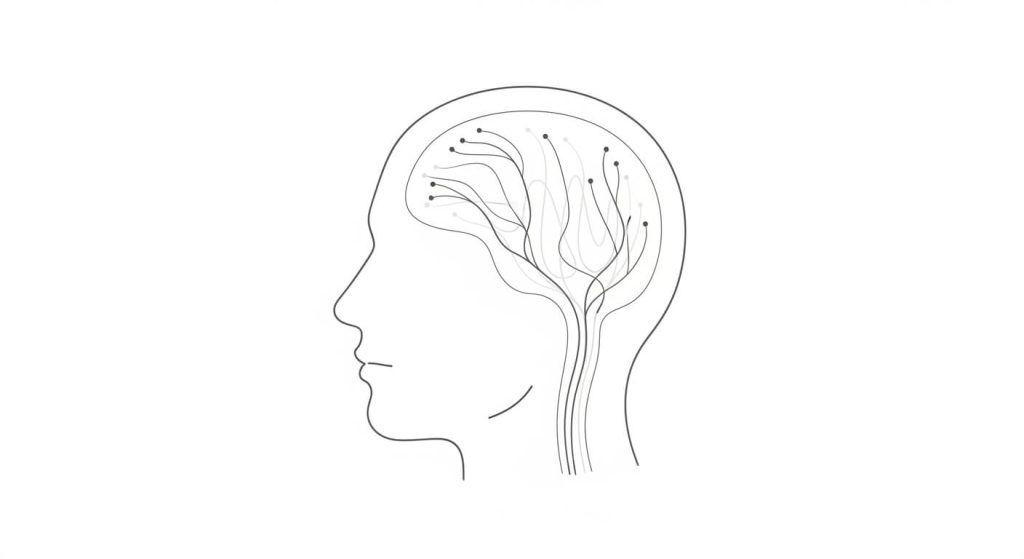
There isn’t one single cause of schizophrenia. Most evidence points to a combination of factors, including:
- Genetic vulnerability: schizophrenia can run in families, though no single gene explains it.
- Environmental and life factors: stressful or dangerous environments and certain early-life exposures may play a role.
- Brain structure and function differences: research suggests subtle brain differences may be associated with the condition.
Symptoms
Schizophrenia can affect thinking, emotions, and behavior in different ways, and symptom severity can change over time. Symptoms may include:
- Delusions: beliefs that aren’t true (for example, believing you’re being harmed or targeted when you aren’t).
- Hallucinations: hearing, seeing, or sensing things others do not (hearing voices is especially common).
- Disorganized thinking and speech: answers that don’t match the question, difficulty organizing thoughts, stopping mid-sentence, jumping topics, or speaking in a way that’s hard to follow.
- Disorganized or unusual motor behavior: behavior that doesn’t fit the situation, agitation without a clear cause, difficulty doing goal-focused tasks, or reduced responsiveness.
- Negative symptoms: reduced emotional expression, low motivation, less interest in everyday activities, social withdrawal, and difficulty planning or following routines.
Symptoms can improve at times and worsen at others. Some people experience periods of stability, while others have symptoms that persist and require long-term support.
Symptoms in teenagers
Schizophrenia symptoms in teens can look similar to adult symptoms, but early signs can be easy to miss because they overlap with common adolescent changes. Early warning signs may include:
- Withdrawing from friends and family
- Declining school performance
- Sleep problems
- Irritability, depressed mood, or increased anxiety
- Reduced motivation or difficulty functioning day-to-day
Substance use can also mimic or worsen psychosis-related symptoms, which is one reason professional evaluation matters.
When to see a doctor
People experiencing schizophrenia symptoms may not realize they need help, so support from family or friends can be crucial.
Seek evaluation from a licensed healthcare or mental health professional if you notice persistent hallucinations, delusions, disorganized thinking, or major changes in functioning.
Helping someone who may have schizophrenia
- Speak calmly and focus on what you’re observing (changes in sleep, behavior, functioning) rather than debating beliefs.
- Offer to help schedule an appointment or go with them.
- If there is immediate danger, call emergency services.
Suicidal thoughts and crisis support
If someone is at risk of self-harm, do not leave them alone. In the U.S., you can call or text 988 (988 Suicide & Crisis Lifeline) for 24/7 support, or use chat. If there is imminent danger, call 911.
Diagnosis
How schizophrenia is diagnosed
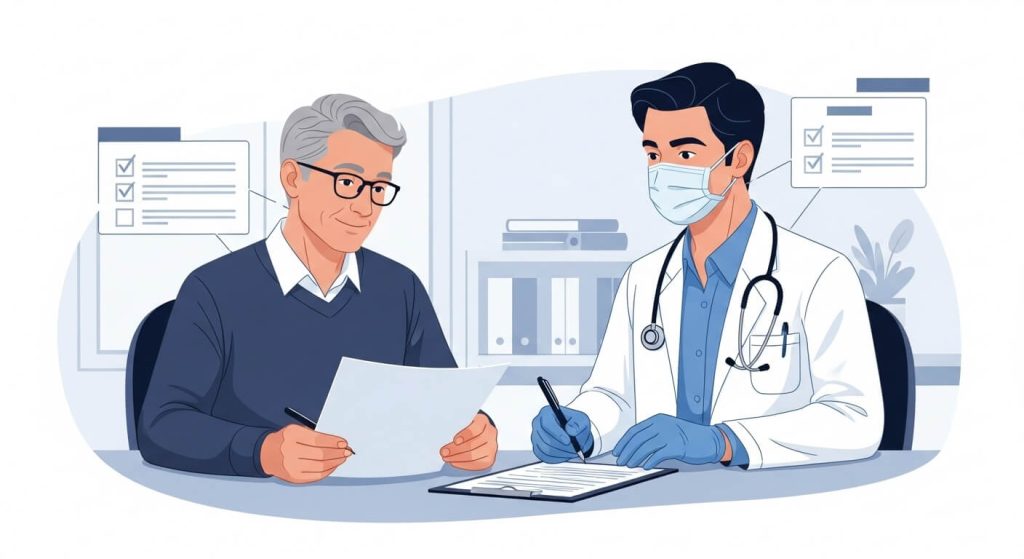
Schizophrenia is diagnosed by a licensed clinician (often a psychiatrist) based on symptoms, duration, functional impact, and by ruling out other causes that can look similar.
A clinical evaluation may include:
- A detailed interview about symptoms, timing, and daily functioning
- Mental status exam (thinking, mood, perception, insight, and behavior)
- Review of medications and substance use (since substances can mimic or worsen psychosis)
- Medical evaluation and basic labs when appropriate to rule out medical causes
- Collateral history from family or trusted supports (with consent), because insight can be limited during psychosis
If you’re worried about symptoms, the most helpful first step is an evaluation with a licensed mental health professional.
Medications
Medication decisions must be individualized by a licensed clinician. Many treatment plans include antipsychotic medication to help reduce hallucinations, delusions, and disorganized thinking.
Common medication approaches may include:
- Antipsychotic medications (often first-line)
- Long-acting injectable options for some people who benefit from more consistent dosing
- Adjustments based on response, side effects, and overall health
Never start, stop, or change psychiatric medications without medical guidance.
Treatments
Schizophrenia typically requires ongoing treatment, which may include:
- Medication (often antipsychotic medication as part of a clinician-supervised plan)
- Psychotherapy (talk therapy)
- Skills training and rehabilitation supports to help with daily routines, work, and relationships
- Family education and support to strengthen coping strategies and reduce relapse risk
Why early treatment matters
Many people experience a delay between symptom onset and the start of treatment, and that delay can affect long-term health and functioning. Early connection to care—especially after a first psychosis episode—can improve stability and support recovery goals like school, work, and relationships.
This page is for education only and does not replace medical care. Treatment decisions should always be made with a licensed clinician.
FAQs
How do I know if someone is experiencing psychosis?
Common warning signs include hallucinations, fixed false beliefs (delusions), markedly disorganized thinking or speech, and a noticeable decline in daily functioning. If you’re concerned, seek an evaluation from a licensed clinician.
What should I do if symptoms suddenly get worse?
If there is immediate danger (risk of self-harm, inability to care for basic needs, severe agitation), call emergency services. If danger is not immediate but symptoms are worsening, contact a clinician or urgent mental health service as soon as possible.
Can schizophrenia improve with treatment?
Many people improve with consistent treatment and support. Outcomes vary, but early treatment and a stable care plan can reduce symptoms and improve day-to-day functioning.
Is schizophrenia the same as “multiple personalities”?
No. Schizophrenia is not the same as dissociative identity disorder. Schizophrenia is primarily associated with psychosis-related symptoms (hallucinations, delusions, disorganized thinking) and functional changes.
Where can I learn more from a trusted source?
A reliable starting point is the National Institute of Mental Health (NIMH) resource on schizophrenia.