


Understanding Alunbrig Medication: What U.S. Patients Should Know
Alunbrig medication has become a topic of growing interest for thousands of U.S. patients living with advanced lung cancer, particularly those whose treatment plans involve targeted therapies. With prescription costs in the United States continuing to climb — sometimes reaching tens of thousands of dollars per month — many adults aged 35 to 65 are actively researching ways to access this treatment more affordably without compromising safety, legitimacy, or continuity of care.
If you’ve been prescribed this oral therapy or are exploring it as a potential option discussed with your oncologist, this comprehensive guide will walk you through what Alunbrig is, who it’s intended for, how it works inside the body, and how a growing number of Americans are turning to licensed international pharmacies — particularly in Mexico — to reduce their out-of-pocket costs by significant percentages while staying within the law and protecting their health.

What Exactly Is Alunbrig?
Alunbrig is the brand name for an oral, once-daily targeted therapy belonging to a class of drugs known as tyrosine kinase inhibitors (TKIs). Specifically, it is designed for patients diagnosed with anaplastic lymphoma kinase-positive (ALK+) non-small cell lung cancer (NSCLC) that has spread to other parts of the body (metastatic disease).
Unlike traditional chemotherapy, which broadly attacks rapidly dividing cells throughout the body, this medication is a precision therapy — it targets a very specific genetic alteration found in the cancer cells of certain lung cancer patients. This targeted approach often results in fewer systemic side effects compared to conventional chemotherapy, although every patient’s experience is different and must be supervised by a qualified oncologist.
Why It Matters for Patients With ALK-Positive Lung Cancer
Approximately 3% to 5% of all NSCLC cases involve an ALK gene rearrangement. While that may sound like a small percentage, it represents tens of thousands of patients in the United States alone. For these individuals, ALK-targeted therapies have transformed what was once considered a difficult-to-treat diagnosis into a more manageable condition with substantially improved outcomes.
The challenge, however, isn’t always clinical — it’s financial. The annual cost of ALK-targeted oral therapies in the U.S. can be staggering, and even patients with insurance frequently face copays, deductibles, and coverage gaps that make sustained treatment financially exhausting. This is precisely where international pharmacy access — guided by a trustworthy medical tourism partner — has become a meaningful alternative for many American families.
Who Alunbrig Medication Is Designed For
Understanding whether this therapy is appropriate for you or a loved one starts with a clear conversation with your oncologist. While we never prescribe medications or replace medical advice, we can help you understand the general profile of patients for whom this medication is typically considered.
Patients With Confirmed ALK-Positive NSCLC
The medication is indicated for adults whose lung cancer has tested positive for an ALK gene rearrangement through an FDA-approved diagnostic test. This testing — usually performed via a tissue biopsy or specialized blood test — is a critical step. Without confirmed ALK positivity, this therapy would not be the appropriate treatment path.
If your oncologist has already confirmed your ALK status and has discussed targeted therapy as part of your treatment plan, you’re likely already familiar with the general framework of how this medication fits into care.
First-Line and Subsequent-Line Treatment Considerations
This medication is approved both as a first-line treatment for newly diagnosed ALK-positive metastatic NSCLC and as a subsequent-line option for patients who have previously been treated with another ALK inhibitor and have experienced disease progression. Your oncologist will determine where it fits best based on your specific medical history, prior treatments, and overall health status.
Adults Seeking Long-Term, Sustainable Access
Beyond the clinical profile, there’s another category of patient that has emerged in recent years: adults aged 35 to 65 who have a valid prescription, are committed to their treatment plan, but are searching for ways to make long-term therapy financially sustainable. These patients typically:
- Have already been prescribed this or a similar targeted therapy by a U.S. oncologist
- Face high out-of-pocket costs even with insurance
- Are looking for legal, licensed, and verified ways to reduce medication expenses
- Want a guided, organized experience rather than navigating international pharmacies alone
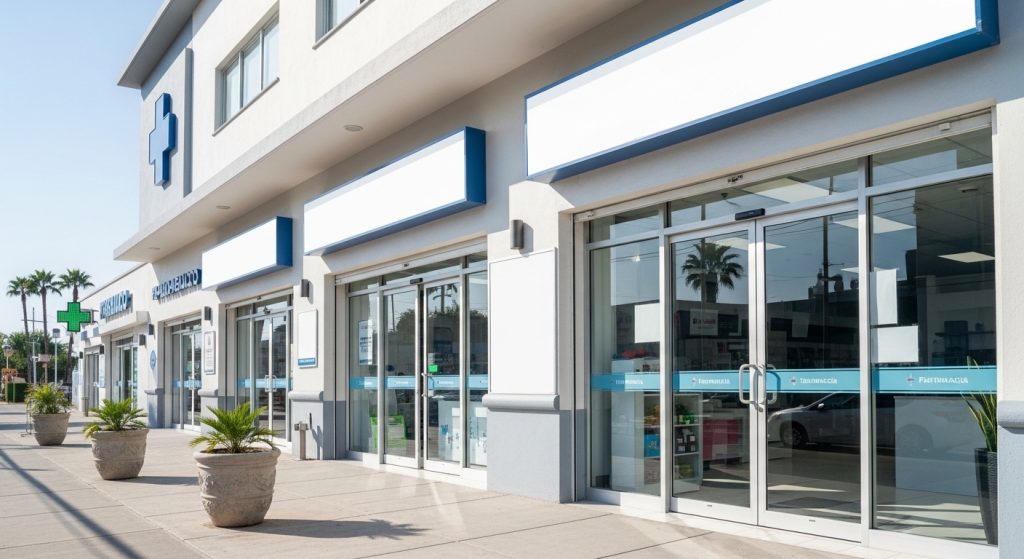
For these individuals, exploring access through licensed pharmacies in Mexico — especially in cities like Tijuana, where regulated pharmacies have decades of experience serving cross-border patients — has become an increasingly common and trusted path.
How Alunbrig Medication Works Inside the Body
To appreciate why this targeted therapy has become a cornerstone of treatment for ALK-positive NSCLC, it helps to understand — in plain language — what’s happening at the cellular level.
The Role of the ALK Gene
In healthy individuals, the ALK gene plays a role in normal cell development. However, in some lung cancer patients, this gene becomes rearranged or fused with another gene, creating an abnormal protein that signals cancer cells to grow and multiply uncontrollably. This abnormal signaling is what drives tumor progression in ALK-positive NSCLC.
How the Medication Intervenes
Alunbrig works by binding to and inhibiting the abnormal ALK protein, effectively interrupting the signal that tells cancer cells to grow. By blocking this pathway, the medication helps slow or stop tumor progression and, in many cases, leads to tumor shrinkage. Because it is designed to penetrate the central nervous system, it has also shown effectiveness in addressing brain metastases — a common and challenging complication for many ALK-positive patients.
What Patients Typically Experience
Most patients begin with a lower starting dose for the first week (often referred to as a lead-in period), which then transitions to a maintenance dose if tolerated well. This gradual approach helps the body adjust and minimizes the risk of certain pulmonary side effects. Common considerations during therapy include:
- Routine blood pressure monitoring
- Regular lab work to assess liver function and other markers
- Periodic imaging to track treatment response
- Open communication with your oncologist about any new symptoms
It’s essential to remember that this medication should only be taken under the ongoing supervision of a qualified physician. For broader context on managing high-cost specialty medications, you may also find value in our internal guide on what to know before starting a long-term specialty therapy and our overview of how medical tourism supports continuity of cancer care.
Common Considerations and Patient Responsibility
While we don’t list specific side effects in this guide — that’s a conversation reserved for your oncologist — we do emphasize one critical point: continuity of medication is non-negotiable. Skipping doses, running out of supply, or interrupting therapy due to cost can negatively impact treatment outcomes. This is one of the strongest reasons many patients explore reliable international access: to ensure they never face a gap in their prescribed regimen.
For authoritative clinical information about ALK-positive lung cancer and targeted therapies, the American Cancer Society provides excellent patient-friendly resources, as does the National Cancer Institute.
Affordable Access: How U.S. Patients Are Reducing Costs Safely
This is where many patients’ stories truly begin to change. The high cost of specialty medications in the United States is well-documented, and for adults managing chronic or oncological conditions, the financial strain can rival the emotional toll of the diagnosis itself.
Why Mexico, and Why Tijuana Specifically?
Mexico has become one of the most respected destinations for medical tourism in North America, and Tijuana — located just minutes from the San Diego border — has emerged as a hub for licensed international pharmacies serving U.S. patients. Several factors contribute to this:
Regulatory oversight: Licensed Mexican pharmacies operate under the country’s federal health authority (COFEPRIS), which regulates pharmaceutical sales and distribution similarly to how the FDA operates in the United States.
Pricing structure: Pharmaceutical pricing in Mexico is significantly lower than in the U.S. for many specialty medications, often allowing patients to save substantial percentages on the same brand-name products manufactured by the same global pharmaceutical companies.
Geographic accessibility: For millions of Americans, Tijuana is reachable within a single-day trip by car or short flight, making periodic medication pickups practical and affordable.
Established patient-care infrastructure: Decades of cross-border healthcare have created a mature ecosystem of pharmacies, interpreters, transportation providers, and medical tourism coordinators who specialize in serving U.S. patients.
How a Trusted Medical Tourism Service Supports You
Navigating an international pharmacy purchase alone — especially when managing a serious diagnosis — can feel overwhelming. A reputable medical tourism service exists to remove that uncertainty by organizing the entire experience without ever prescribing or interfering with your medical care. Specifically, a guided service typically:
- Coordinates your trip from border crossing to pharmacy and back
- Verifies that the pharmacy you’re working with is fully licensed and operates legally under Mexican health regulations
- Ensures the medication you receive is the same brand-name product manufactured by the same pharmaceutical company that distributes globally
- Provides bilingual support so language is never a barrier
- Handles logistics like transportation, secure pharmacy partnerships, and same-day completion when possible
Crucially, a legitimate service does not prescribe medications, does not replace your oncologist, and does not provide medical advice. Its role is logistical, organizational, and protective — making sure that what should be a stressful, complicated process becomes simple, transparent, and safe.
What to Look for in a Medical Tourism Partner
Not all services are created equal. Before trusting any provider with such an important part of your health journey, look for:
✔ Verified relationships with licensed Mexican pharmacies
✔ Transparent communication about pricing, processes, and timelines
✔ Real testimonials from U.S. patients who have completed the journey
✔ Clear policies about what they do (and do not) handle
✔ Bilingual staff with experience in cross-border patient logistics
If you’d like a deeper look at how this works step by step, our internal article on what to expect from a medical tourism trip to Tijuana breaks down the process from the moment you decide to explore international access through your safe return home.
Compliance, Legality, and Peace of Mind
A common question we hear is: “Is it legal for me to buy my medication in Mexico and bring it back to the U.S.?”
The answer involves nuance, and we always recommend that patients consult both their physician and current U.S. customs guidelines. Generally speaking, the FDA has long-standing personal-importation considerations for individuals bringing limited supplies of medication for personal use, particularly when there is a documented medical need and a valid prescription. A reputable medical tourism partner will walk you through these considerations transparently — never making promises that fall outside legal or regulatory boundaries.
This is exactly why working with a guided, professional service matters: you’re not navigating gray areas alone. You’re following an established, compliant, and carefully organized process that thousands of U.S. patients have used successfully.
Bringing It All Together: A Path Forward for Patients and Families
Living with — or supporting a loved one through — ALK-positive non-small cell lung cancer is already demanding enough without adding the burden of unsustainable medication costs. The good news is that you have more options than you may realize, and exploring those options doesn’t mean compromising on safety, quality, or the integrity of your treatment plan.
Alunbrig medication is a powerful, scientifically advanced therapy that has changed lives for thousands of patients. The fact that it’s expensive in the U.S. doesn’t mean affordable access is out of reach — it means you may benefit from the support of a trusted partner who can help you access the same brand-name therapy through licensed channels abroad, often with substantial savings.
If you’re an adult between 35 and 65, hold a valid prescription, and are looking for a safe, organized, and affordable way to maintain your treatment, exploring medical tourism to Tijuana with a reputable service may be one of the most meaningful steps you take this year.
Take the Next Step Toward Affordable, Reliable Access
If this guide has resonated with your situation, we invite you to reach out for a no-pressure consultation with our medical tourism coordinators. We’ll listen, answer your questions transparently, and help you understand exactly how the process works — without prescribing, without rushing, and without obligation.
Your health journey deserves clarity, support, and dignity. Let us help you find a path that protects all three.
Schedule your free consultation today and discover how a guided medical tourism experience can make a real difference for you and your family.