


Quick answer: Can you legally bring prescription drugs from Mexico? Under U.S. law, importing prescription drugs for personal use is generally prohibited. However, the FDA operates a Personal Importation Policy under which it exercises enforcement discretion case by case, typically for up to a 90-day supply of a drug for a serious condition, with a valid prescription. That discretion is not a guarantee, and controlled substances follow stricter DEA rules.
This is the article that answers the question every savings-minded reader quietly asks before a trip to bring prescription drugs from Mexico. In our safety-first voice, we explain the real legal landscape without over-promising. This is an informational piece, not legal advice.
The starting point: U.S. law generally prohibits personal importation
Let’s start with the exact baseline: under the Federal Food, Drug, and Cosmetic Act, importing prescription drugs for personal use is generally prohibited, because the FDA can’t guarantee the safety and quality of products outside the regulated U.S. system. That’s the honest starting point; the nuance follows.
The FDA’s Personal Importation Policy: “enforcement discretion,” explained
The FDA maintains a Personal Importation Policy under which it may choose not to enforce the prohibition in certain circumstances. This is called enforcement discretion: it doesn’t change the law, but it describes when the agency typically doesn’t intervene.
The conditions the FDA typically weighs
- The drug is for a serious condition for which no effective treatment is available in the U.S.
- A written statement that it’s for personal use.
- Generally, no more than a 90-day supply.
- A valid U.S. prescription or evidence of a foreign-initiated treatment.
- No unreasonable risk to the user.
The 90-day supply guideline
The 90-day reference is a common guideline, not an automatic right. Bringing larger quantities weakens the “personal use” argument and can invite more scrutiny.
Why discretion is not a guarantee
Enforcement discretion means the agency may choose not to act, not that you have guaranteed permission. Each case is weighed separately, and the final judgment rests with the authorities.
Convenience should never replace verification. Doing it right starts with a valid prescription.
Controlled substances are treated differently (DEA rules)
Controlled substances (for example, many opioid painkillers or certain anti-anxiety medicines) are subject to stricter DEA rules and don’t fit the same discretion. Here caution is paramount: always check before assuming anything.
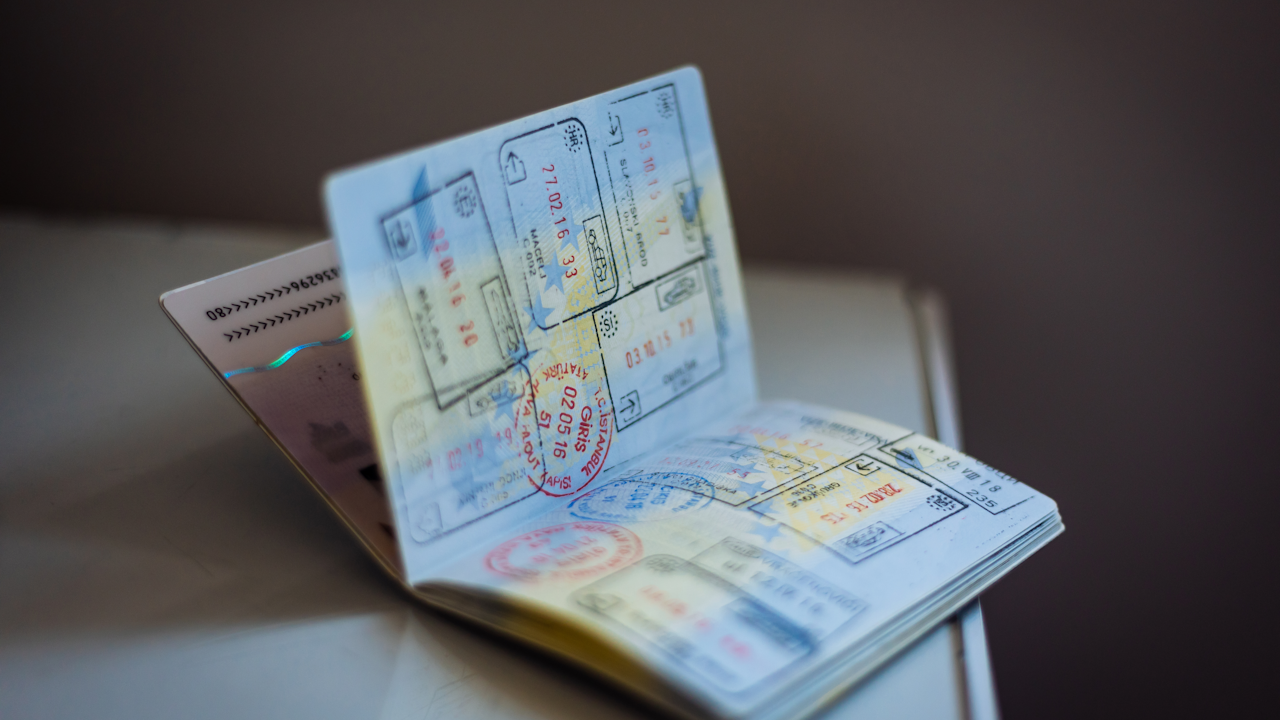
How to bring prescription drugs from Mexico: what to carry and how to declare
Your documentation checklist
- Your valid U.S. prescription (and, if applicable, evidence of treatment).
- The medications in their original, labeled packaging.
- A written statement of personal use.
- A reasonable supply (generally up to 90 days).
How to declare your medication to CBP
When you cross, declare your medication to Customs and Border Protection (CBP). Being transparent and carrying your documentation in order is always the right path; concealing product is exactly the opposite of what we recommend.
Why a valid U.S. prescription is the basis of a safe trip
Everything above turns on one axis: a valid prescription. It’s the foundation for anyone hoping to bring prescription drugs from Mexico responsibly, and the difference between safe access and unnecessary risk. Without it, there’s no possible compliance conversation.
How guided, compliance-focused support reduces uncertainty
This is where guidance makes the difference. A guided, compliance-focused process, with licensed providers and clear documentation, reduces uncertainty and helps you do things right. Remember: we do not prescribe, sell, or dispense medications; we help patients access them safely and legally.
Final thoughts
The short answer, “generally prohibited, with case-by-case discretion,” is nuanced for a reason. If you have a valid prescription and want to bring prescription drugs from Mexico the right way, we can help you understand your options clearly and without pressure.
Notice. This piece is informational and does not constitute legal or medical advice. Policies and enforcement can change; always verify current information with official sources before you travel. We do not prescribe, sell, or dispense medications.
Sources
- U.S. Food and Drug Administration: Personal Importation.
- U.S. Customs and Border Protection: Know Before You Go and declaring goods.
- Congressional Research Service (2026): Prescription Drug Importation (IF11056).