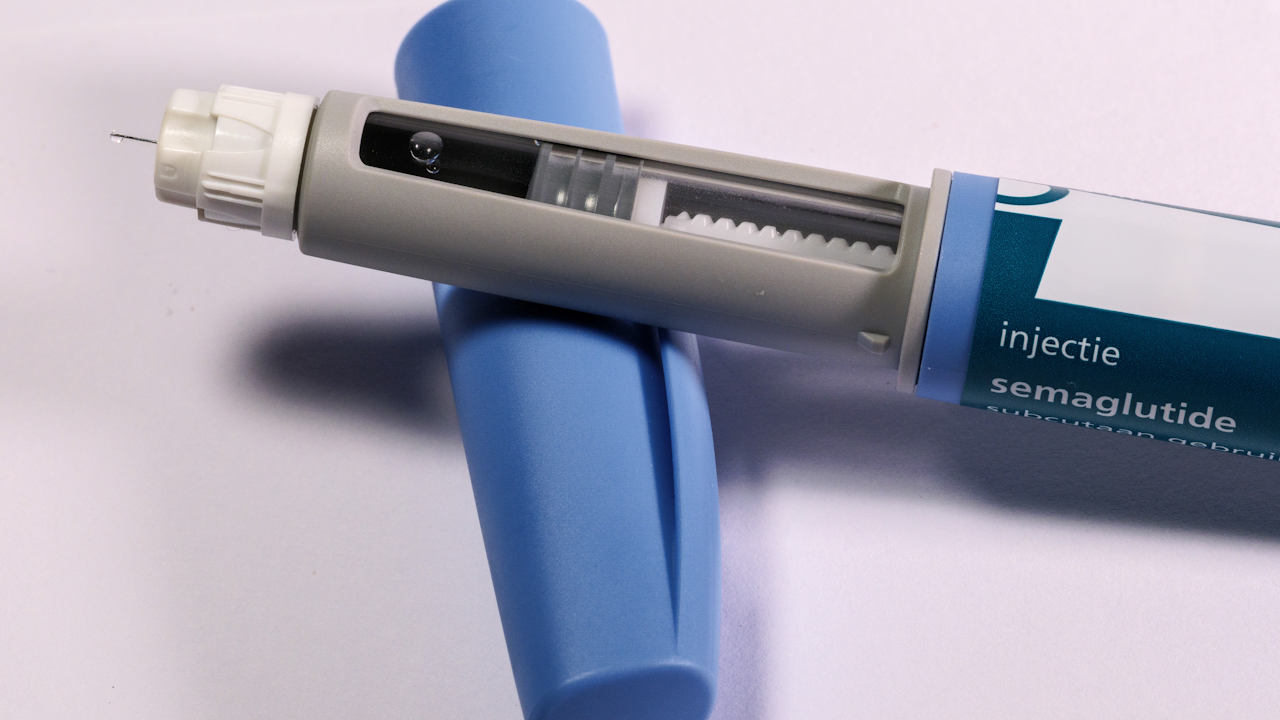


Quick answer: Humira biosimilars are versions of adalimumab that are highly similar to the original, FDA-approved after showing no clinically meaningful differences in safety or effectiveness. A biosimilar is not a “generic”: biologics are made in living cells and can’t be copied chemically atom-for-atom. A lower list price does not automatically mean you pay less: that depends on your formulary and your plan.
Many patients hear “biosimilar” and assume it means “generic.” It doesn’t, and that confusion causes real anxiety when a pharmacy or plan switches someone from Humira to one of the new Humira biosimilars. This article clears it up, calmly and with sources.
Biosimilar vs generic: why they aren’t the same
What “biologic” really means
Biologic: a medicine produced in living cells, not chemically synthesized. Its size and complexity make an identical atom-for-atom copy impossible, unlike a small-molecule drug such as ibuprofen.
A generic is an identical chemical copy of a simple drug. A biosimilar, by contrast, is a highly similar version of a complex biologic. The FDA requires proof that there are no clinically meaningful differences from the reference product.
“Highly similar” and “interchangeable,” defined
Interchangeable: an additional regulatory designation that, depending on state law, may let the pharmacy substitute the reference product with the biosimilar without contacting the prescriber, much like many generics.
Understanding what you receive is part of safety. Clear information prevents rushed decisions.
The current Humira biosimilars landscape
How many are approved and when they launched
The FDA has approved ten adalimumab biosimilars. The first, Amjevita, launched in January 2023, followed by a wave of launches that same year. It’s a young, fast-evolving market.
High- vs low-concentration and citrate-free formulations
Not all biosimilars are the same in practice. Formulation details like concentration (high or low) and whether they’re “citrate-free” affect the injection experience (for example, stinging) and whether a switch feels smooth. It’s worth asking about these details.
What interchangeability means at the pharmacy counter
If a biosimilar carries the interchangeable designation, the pharmacy may substitute it under your state’s rules, sometimes without a prior call to your doctor. That doesn’t mean it’s “worse”: it means the FDA judged it equivalent for switching. Still, if you’re concerned, ask before you pick up your prescription.
Will Humira biosimilars actually lower your cost?
List price vs what you pay
Here’s the honest part: a biosimilar’s list price may be much lower, but what you pay depends on formularies and the decisions of pharmacy benefit managers (PBMs). That’s why patient savings have, in many cases, lagged behind expectations.
How pharmacy benefit formularies changed the picture
Plans decide which products are “preferred.” A cheap biosimilar that isn’t on your preferred formulary can end up costing you more than a pricier one that is. Check your formulary and ask your plan which option is preferred for you.
Questions to ask before switching to a biosimilar
- Is this biosimilar interchangeable, or does it need a new prescription from my doctor?
- Is it high- or low-concentration, and is it citrate-free?
- What will I actually pay under my plan, not just the list price?
- Is a copay assistance program available?
- Who do I call if the switch doesn’t feel right?
How Humira biosimilars fit into cross-border access decisions
The arrival of Humira biosimilars is one more way to lower costs, alongside copay assistance and, for those with a valid prescription, safe, licensed access abroad. None is “the” answer: the best combination depends on your situation, and the clinical decision is always your doctor’s.
Final thoughts
Humira biosimilars aren’t generics, and a lower list price doesn’t always reach your wallet. If costs remain a barrier, we can help you understand your options clearly and without pressure.
Medical disclaimer. This article is informational and does not replace advice from a healthcare professional. We do not prescribe, sell, or dispense medications. Any change of treatment should be discussed with your doctor.
Sources
- U.S. Food and Drug Administration: Biosimilar product information.
- The Center for Biosimilars: FDA approves 10th adalimumab biosimilar.
- Provide Rx Services: Blog (providerxservices.com).