


Understanding the side effects Alecensa patients may experience is one of the most important steps before beginning treatment with this targeted cancer therapy. When your oncologist prescribes a medication like Alecensa (alectinib), the relief of having a treatment option often gets tangled with a new wave of questions. What will this medication do to my body? How will I feel day to day? And perhaps most pressingly for many American families — how am I going to afford it long term?
This guide breaks down what you can realistically expect from the side effects Alecensa produces, how to manage common reactions, when to call your care team, and how some patients are approaching the financial side of long-term therapy by exploring licensed international pharmacy options.
What Alecensa Is and Why Side Effects Matter
Alecensa is the brand name for alectinib, a prescription oral medication used to treat a specific type of non-small cell lung cancer (NSCLC) that tests positive for an ALK (anaplastic lymphoma kinase) gene mutation. It belongs to a class of drugs known as ALK inhibitors, which work by blocking the signals that allow cancer cells to grow and spread.
Because targeted therapies like this one interact with specific cellular pathways, their side effect profile tends to be different from traditional chemotherapy. Many patients find them more manageable overall, but that doesn’t mean they’re free of challenges. Knowing what’s normal, what’s serious, and what can be mitigated allows you to stay on treatment longer — and staying on treatment is directly tied to better outcomes.

Most Common Side Effects Alecensa Patients Report
While every person’s experience is unique, clinical data and patient reports consistently point to a handful of reactions that occur more frequently than others. Being aware of these ahead of time can help you prepare practical strategies rather than being caught off guard.
Fatigue and Low Energy
Feeling tired isn’t just an inconvenience during cancer treatment — it can reshape your entire daily rhythm. Fatigue with Alecensa often builds gradually and may feel different from ordinary tiredness: a deeper, more persistent sense of being depleted that sleep alone doesn’t fully resolve.
Practical approaches include pacing activities throughout the day, prioritizing the tasks that matter most in your highest-energy windows, and incorporating gentle movement like short walks. Gentle exercise has actually been shown to reduce cancer-related fatigue in many patients, which feels counterintuitive but is well documented in the research.
Muscle Pain and Weakness (Myalgia)
Many patients report aches in their arms, legs, or back that don’t correspond to physical exertion. In some cases, there’s also a noticeable drop in muscle strength. Your oncology team will likely monitor a blood marker called creatine phosphokinase (CPK), which can indicate muscle stress. If you feel significant weakness, darkened urine, or unusual soreness, report it promptly — these can be signs that a medication adjustment is needed.
Constipation
Digestive slowdown is one of the more frequently reported reactions. Staying well hydrated, increasing fiber intake gradually, and maintaining light daily movement can help keep things regular. Some patients benefit from a gentle stool softener, but always confirm with your care team before adding anything new, since drug interactions can affect how Alecensa is absorbed.
Swelling (Edema)
Puffiness in the hands, feet, ankles, or around the eyes can occur, particularly as treatment continues over months. Elevating your feet when resting, wearing comfortable shoes, and reducing excess sodium intake often provide meaningful relief. Significant or rapid swelling should always be reported, especially if it’s accompanied by shortness of breath.
Nausea and Appetite Changes
Though typically milder than with traditional chemotherapy, some people experience nausea, particularly during the first weeks. Eating smaller meals more frequently, avoiding strong odors during cooking, and keeping bland snacks nearby can make a real difference. Ginger tea or candied ginger helps some patients; others do better with cold foods, which tend to have less aroma.
Skin Sensitivity to Sunlight
Alecensa can make your skin significantly more prone to sunburn. This isn’t just cosmetic — severe reactions can happen even on cloudy days. Broad-spectrum SPF 50+ sunscreen, protective clothing, wide-brimmed hats, and avoiding peak sun hours become non-negotiable parts of daily life while on this therapy.
Serious Side Effects Alecensa Users Should Never Ignore
Some reactions, while less common, are genuinely urgent and should prompt a call to your oncology team or a trip to the emergency room.
Liver problems can develop silently, which is why routine blood work is essential. Warning signs include yellowing of the skin or eyes, dark urine, pain in the upper right abdomen, or unexplained bruising. Lung inflammation, known as pneumonitis, is rare but serious — any new cough, shortness of breath, or chest discomfort should be evaluated quickly rather than dismissed. Slowed heart rate (bradycardia) may cause dizziness, fainting, or fatigue that feels different from the baseline tiredness mentioned earlier. Severe muscle breakdown and kidney effects are also monitored through lab work.
The key principle: when something feels wrong in a way that’s new or escalating, don’t wait for your next scheduled appointment. The Mayo Clinic’s drug information resources offer additional detail on serious warning signs worth reviewing with your family.
How Side Effects Evolve Over Time
One thing that often surprises patients is that their experience of side effects shifts across months of treatment. The first few weeks tend to involve the most adjustment — your body is recalibrating, and some reactions (especially nausea and fatigue) may feel more pronounced early on. For many people, these stabilize or improve after the initial weeks.
Others find that certain effects, like muscle aches or mild swelling, become the new normal — manageable but present. And some reactions, such as liver enzyme changes, may appear later rather than early. This is why ongoing monitoring continues throughout treatment, not just at the start.
Keeping a simple journal — even brief daily notes on energy, pain, appetite, and mood — gives your oncology team much better information than trying to remember everything at your appointments. It also helps you notice patterns you might otherwise dismiss.
Managing Daily Life While on Treatment
The practical side of living with targeted therapy often gets less attention than the clinical side, but it matters enormously for quality of life and adherence.
Meal timing is one example. Alecensa is typically taken with food, and consistency helps with absorption. Building it into a routine — always with breakfast and dinner, for instance — reduces the chance of missed doses. Hydration is another small habit with outsized impact, supporting kidney function, helping with constipation, and easing fatigue.
Social and emotional support deserves equal weight. Cancer treatment, even when it’s going well, is exhausting in ways that outsiders rarely grasp. Support groups — whether in person or online — connect you with people who genuinely understand the texture of daily life on ALK inhibitor therapy. Caregivers benefit from this too, and often neglect their own need for support.

The Financial Reality of Long-Term Targeted Therapy
Here’s a conversation that doesn’t happen often enough in clinical settings: targeted oral cancer therapies are extraordinarily expensive in the United States, and treatment often continues for years. Even with insurance, out-of-pocket costs through copays, coinsurance, and coverage gaps can reach levels that strain or overwhelm household budgets. Patients on high-cost specialty medications for chronic conditions — whether oncology drugs, biologics for autoimmune disease, or other specialty categories — frequently face the same underlying problem: access shouldn’t depend on geography or income bracket, but in practice, it often does.
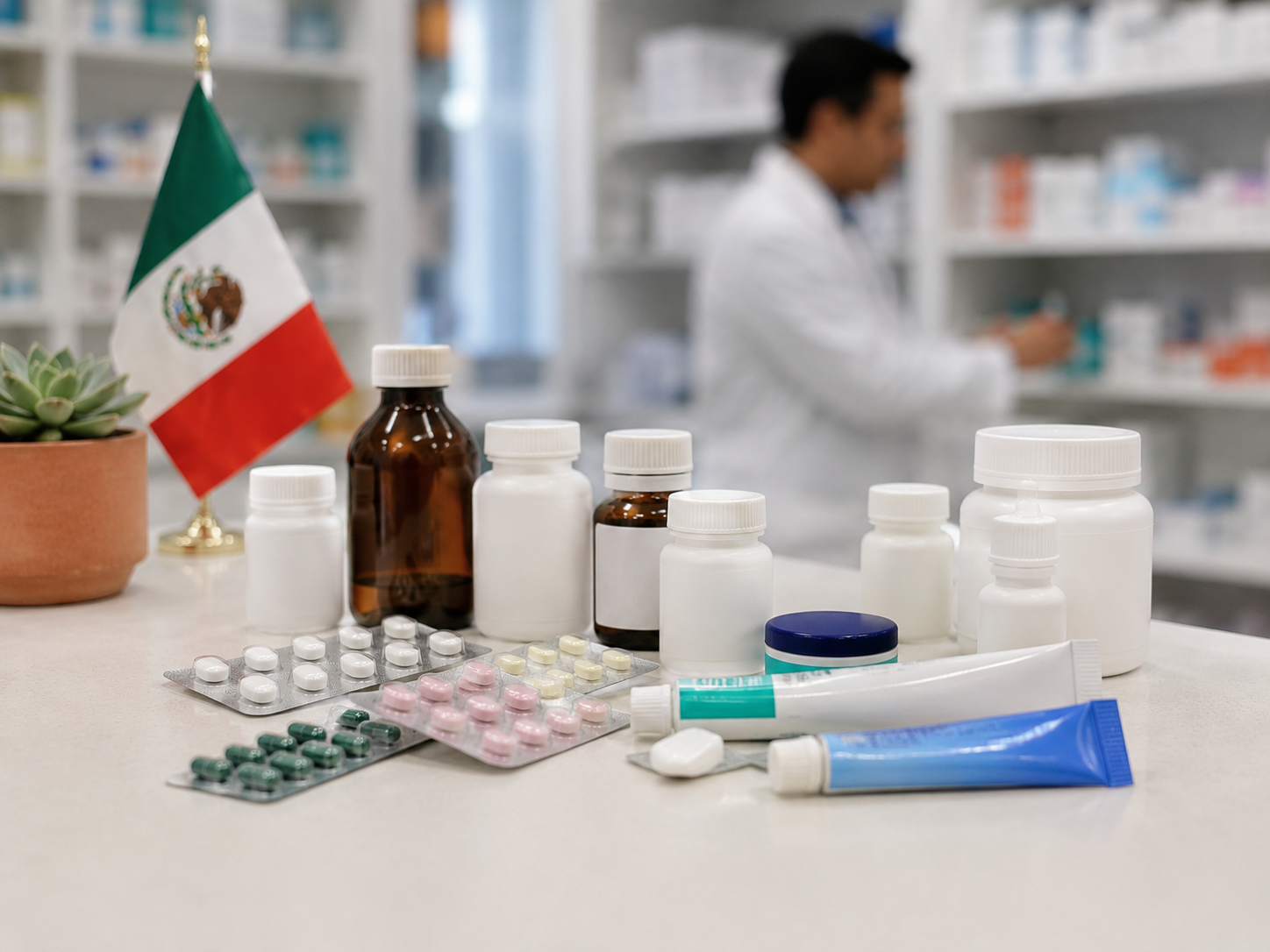
This is why a growing number of American patients are exploring cross-border pharmacy options, particularly through licensed Mexican pharmacies. The price differences on many brand-name specialty medications can translate to substantial household savings — often a significant percentage of what the same medication would cost in the United States — for medications that are chemically identical and produced by the same global manufacturers.
It’s important to distinguish this from risky online pharmacies or unverified sources. Reputable medical tourism services organize the entire process through licensed, regulated Mexican pharmacies — often in border cities like Tijuana — where patients bring a valid U.S. prescription, and trained staff handle coordination, transportation, and documentation. The service doesn’t prescribe anything; it connects patients with legitimate pharmacies and ensures a safe, transparent experience.
If you’ve been navigating the cost of high-priced biologics or specialty therapies and wondering whether there’s a safer alternative to unverified online options, it’s worth reading our overview on Medical Tourism Tijuana Mexico: The Future of Affordable Prescription Access and our guide on Generic vs Brand Name Drugs: What You Should Know Before Buying Abroad. For readers specifically weighing cost pressures around chronic-condition biologics, our article on the Humira Assistance Program: How to Reduce Costs Safely with Medical Tourism walks through what to consider before making the trip.
Questions Worth Asking Your Oncology Team
Before your next appointment, consider bringing a written list. Patients who come prepared consistently get more out of their visits. Some questions that tend to surface the most useful conversations include asking how your specific side effect pattern compares to what’s typical at your stage of treatment, what symptom threshold should trigger a same-day call versus waiting until the next visit, whether any over-the-counter products you’re using could interfere with Alecensa, and what the long-term monitoring schedule will look like over the coming year.
Treatment decisions are never purely clinical — they involve work, family, finances, and values. A care team that understands the full picture can support you more effectively.
A Quick Answer for Readers Who Want the Essentials
What are the most common side effects Alecensa causes? The most frequently reported side effects Alecensa produces include fatigue, muscle aches, constipation, swelling in the hands or feet, nausea, and increased sun sensitivity. Serious but less common effects include liver, lung, heart, and muscle-related complications that require prompt medical attention.
Moving Forward With Confidence
Understanding the side effects Alecensa can cause before starting treatment doesn’t just prepare you clinically — it gives you back a sense of agency during a period when so much can feel outside your control. Most patients find that with good monitoring, honest communication with their care team, and practical daily habits, the majority of reactions can be managed without interrupting therapy.
The financial dimension of staying on a specialty medication for the long haul is a separate but equally real challenge, and it’s one that deserves just as much thoughtful planning as the medical side. Whether you’re just starting this journey or have been on targeted therapy for years, you have more options than you may realize — both for managing side effects and for keeping treatment affordable through legitimate, licensed international pharmacy pathways.
If you’d like to learn more about how our medical tourism coordination service supports patients traveling to Mexico for licensed pharmacy purchases — safely, transparently, and without prescribing anything ourselves — reach out to our team for a personalized conversation. We’re here to help you understand every option available, so the path forward feels a little less overwhelming.